
Updates
Streaming Trends Next 5 Years: 7 Developments Reshaping Media
Aug
The streaming landscape is undergoing a profound transformation that will redefine how content is created, distributed, and monetized over the next five years. As platforms compete for viewer attention in an increasingly crowded market, technological innovations and shifting consumer behaviors are creating both challenges and opportunities. This analysis explores the seven most significant streaming trends that will shape the industry through 2030, offering insights for content creators, platform operators, and investors navigating this rapidly evolving ecosystem.
1. AI-Driven Hyper-Personalization
AI systems will increasingly determine not just what content to recommend, but how to present it to individual viewers
Streaming platforms are evolving beyond basic recommendation algorithms toward truly personalized viewing experiences. According to Deloitte’s Digital Media Trends report, 56% of Gen Z and 43% of millennials already report that social media content is more relevant to them than traditional TV shows and movies.
In the next five years, AI will transform personalization in several key ways:
- Dynamic content sequencing that adapts to viewing patterns and emotional responses
- Personalized trailers and thumbnails generated specifically for individual user preferences
- Content discovery systems that predict emerging interests before users explicitly express them
- Cross-platform recommendation engines that understand viewing habits across multiple services
Netflix has already begun experimenting with AI-generated thumbnails that vary based on viewing history, but future implementations will be far more sophisticated. “The streaming platforms that win the next decade will be those that make viewers feel truly understood,” notes Jana Arbanas, US Telecom, Media & Entertainment Sector Leader at Deloitte.
2. Creator Economy Integration
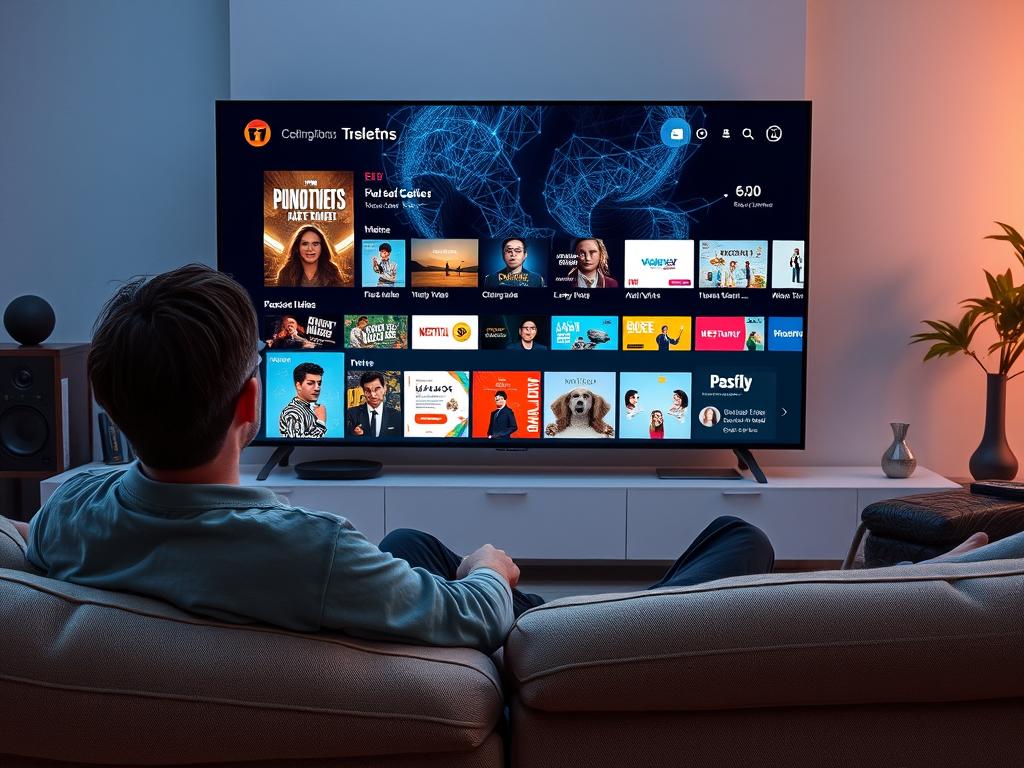
The line between professional and creator-driven content will continue to blur as major streaming platforms integrate independent creators into their ecosystems. According to Nielsen data, social platforms are becoming increasingly competitive for entertainment time—especially among younger viewers.
Key developments in this space will include:
- Major streaming services launching creator programs with revenue-sharing models
- Hybrid content formats that blend traditional production values with creator authenticity
- Direct fan funding mechanisms integrated into mainstream platforms
- Creator-led franchises expanding into traditional media formats
This trend is already emerging with YouTube’s integration of creator content into its premium offerings and TikTok’s experiments with longer-form content. As Deloitte’s research indicates, “50% of Gen Zs and millennials say they feel a stronger personal connection to social media creators than they do with TV personalities or actors.”
3. Ad-Supported Tiers Dominating
As subscription fatigue intensifies, ad-supported streaming tiers will become the dominant business model. According to SiriusXM Media, “Whether it’s consumers feeling the pinch of inflation or platforms rolling out new (or more) ad-supported tiers, audiences are increasingly open to paying for content with their attention.”
The evolution of ad-supported streaming will feature:
Current Ad Experience
- Interruptive ad breaks
- Limited targeting capabilities
- High ad loads (8-10 minutes per hour)
- Generic creative formats
- Limited measurement options
Future Ad Experience (2025-2030)
- Contextually integrated brand experiences
- AI-powered hyper-targeting
- Reduced ad loads (3-5 minutes per hour)
- Interactive and personalized formats
- Advanced attribution across platforms
Netflix and Disney+ have already introduced ad-supported tiers, but the next generation will feature more sophisticated ad tech. According to Deloitte’s research, 54% of SVOD subscribers now have at least one ad-supported service, an increase of eight percentage points since 2024.
Get the Complete Streaming Trends Forecast
Our comprehensive report dives deeper into ad-supported streaming models with exclusive data on viewer preferences, platform strategies, and revenue projections through 2030.
4. Platform Consolidation and Super Aggregation
The fragmented streaming landscape will undergo significant consolidation as smaller services struggle with rising content and customer acquisition costs. According to Nielsen’s data, “TV’s multiplatform opportunity has come into focus” with viewers increasingly seeking simplified access to content across services.
Key consolidation patterns will include:
- Major tech platforms acquiring mid-tier streaming services
- Content libraries merging under fewer corporate umbrellas
- Super aggregator interfaces becoming primary access points
- Bundle offerings combining multiple services at discounted rates
This trend is already visible with Warner Bros. Discovery’s merger and Amazon’s integration of additional streaming channels within Prime Video. As Deloitte notes, “Some studios may need to get bigger to survive” in an environment where “hyperscale and diversified media companies” have significant advantages.
5. Interactive and Immersive Experiences
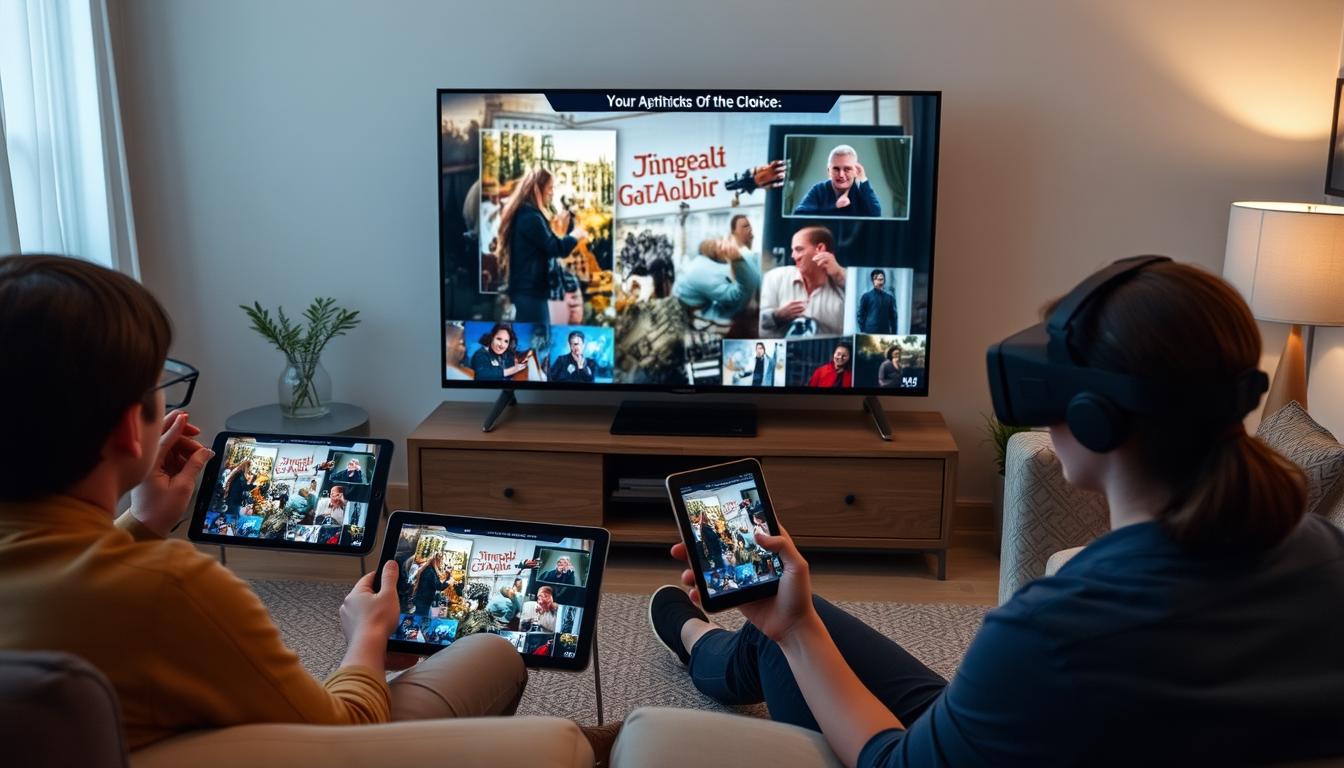
The definition of “streaming content” will expand beyond passive viewing to include interactive and immersive experiences. This shift will be driven by technological advancements and changing consumer expectations, particularly among younger viewers.
Key developments will include:
- Choose-your-own-adventure narratives becoming mainstream content formats
- AR/VR extensions of popular streaming properties
- Social viewing features that synchronize experiences across multiple locations
- Gaming elements integrated into traditional video content
Netflix has already experimented with interactive storytelling in productions like “Black Mirror: Bandersnatch” and “You vs. Wild,” but these formats will become much more sophisticated and widespread. According to Nielsen data, sports content has increased its share of viewing on linear TV in each of the last four years, demonstrating the continued appeal of live, communal viewing experiences that interactive features can enhance.
6. Hyper-Localized Content Strategies
Global streaming platforms will increasingly invest in hyper-localized content to compete with regional services and appeal to diverse audience preferences. This trend extends beyond simply adding subtitles or dubbing to creating truly culturally relevant programming.
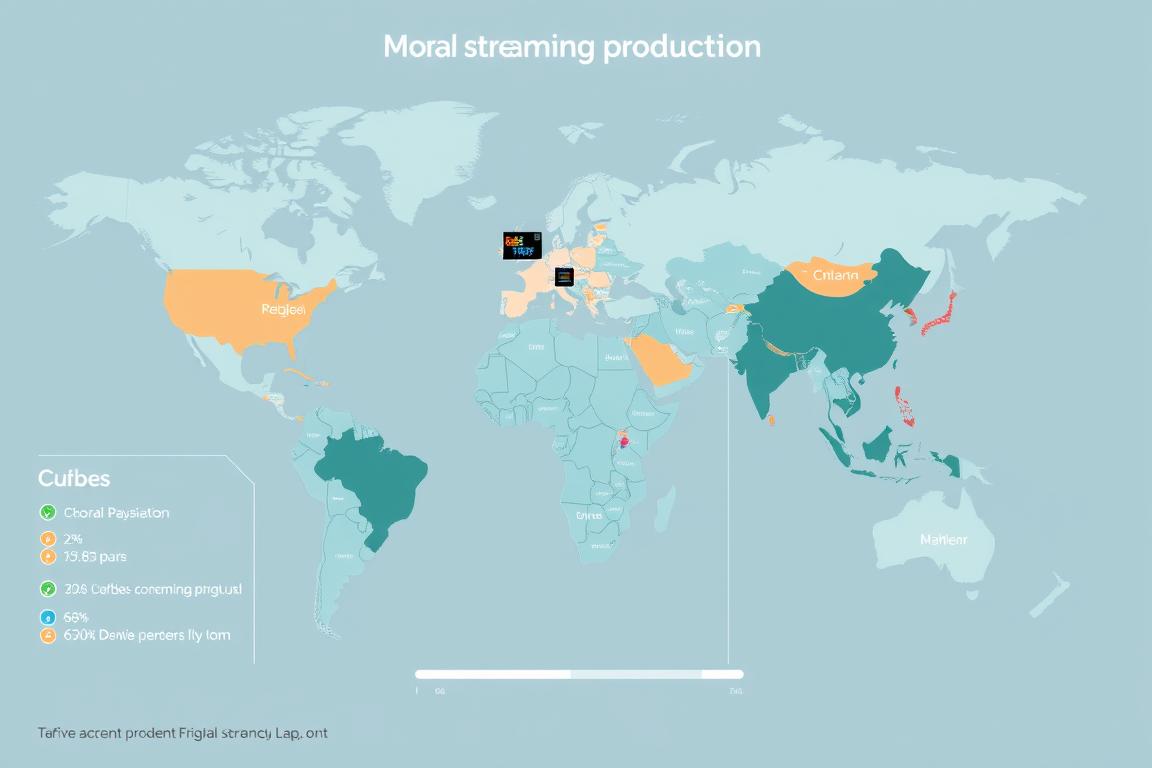
Key aspects of this trend include:
- Expansion of production hubs in emerging markets
- Local creator partnerships and talent development programs
- Culturally-specific content formats adapted for global distribution
- AI-powered localization technologies beyond traditional dubbing
Netflix’s success with non-English content like “Squid Game” and “Money Heist” demonstrates the global appeal of locally-produced content. As Nielsen notes in their analysis, “Multi-language content and deep libraries make streaming a great place to reach diverse audiences.”
“As the largest among them move into the living room, will they be held to higher standards of quality? Social platforms offer a seemingly endless variety of free content, algorithmically optimized for engagement and advertising.”
7. Live Streaming Renaissance
While on-demand viewing has dominated the streaming revolution, live content will experience a significant resurgence over the next five years. This trend will be driven by several factors, including the migration of sports rights to streaming platforms and the growing popularity of live social experiences.
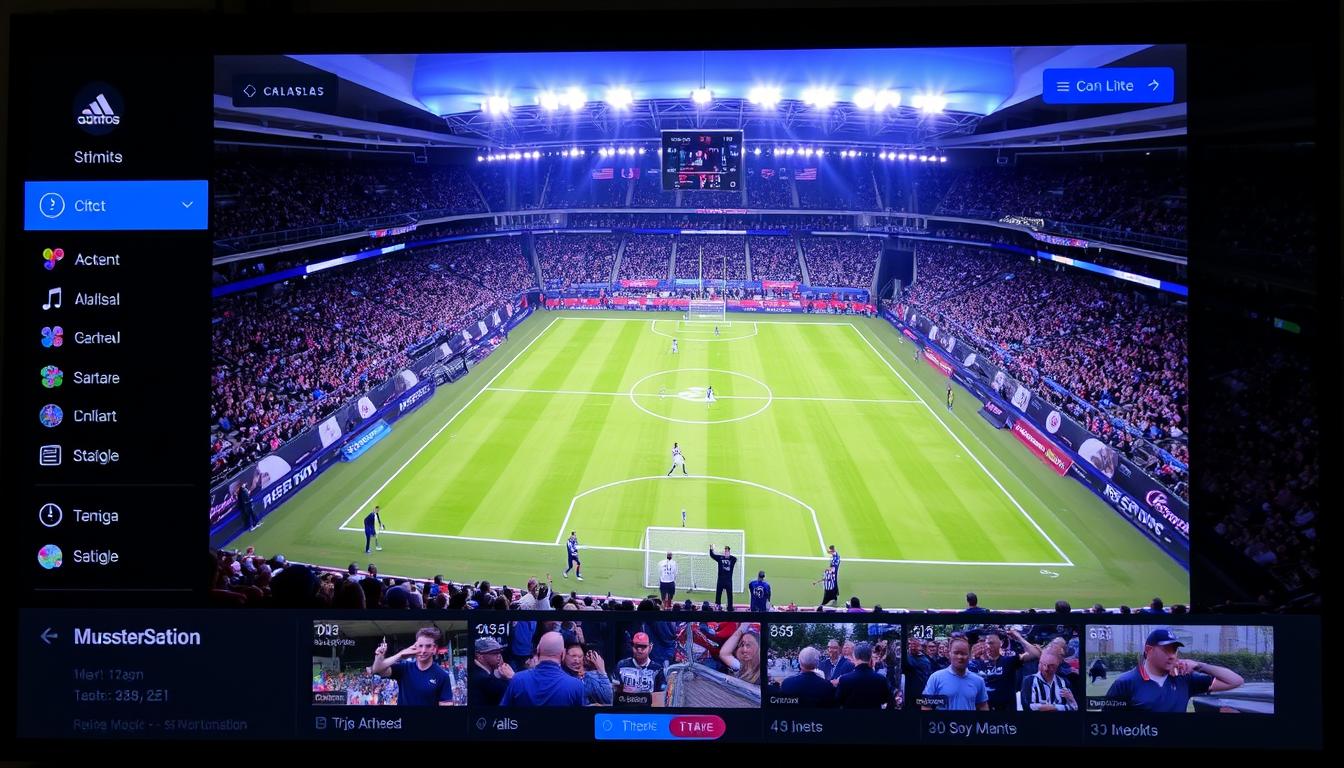
Key developments in live streaming will include:
- Major sports leagues shifting premier events to streaming-first distribution
- Enhanced live viewing features like multi-angle cameras and real-time statistics
- Integration of betting and commerce functionalities
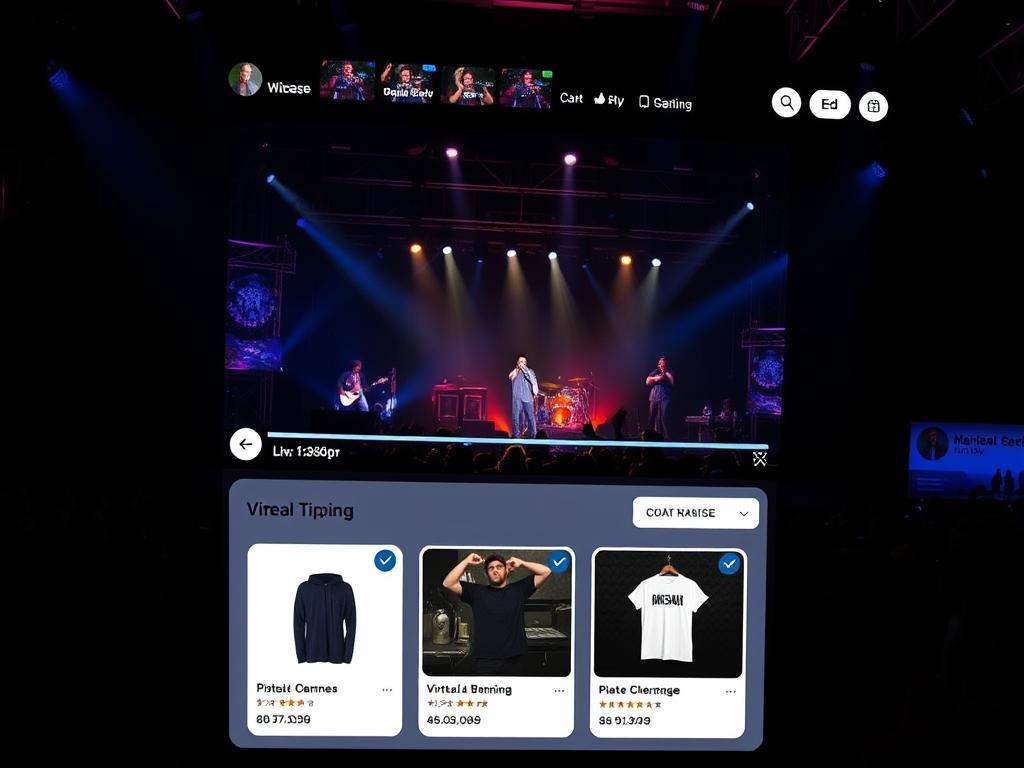
- Hybrid events that blend physical and digital attendance
Amazon’s Thursday Night Football and Apple’s Major League Soccer deals represent early moves in this direction. According to Nielsen, “Sports represent an increasing share of linear TV viewing—but are also driving big numbers for streaming.” Their data shows that 43% of Gen Z and millennials indicate a willingness to pay more for streaming video subscriptions that include access to live sports.
Challenges Facing the Streaming Industry
Growth Opportunities
- Expanding global internet access opening new markets
- AI technologies reducing production and localization costs
- Innovative ad formats improving monetization
- Cross-platform integration creating new distribution channels
Critical Challenges
- Subscription fatigue limiting consumer spending
- Content oversaturation making discovery difficult
- Rising production costs straining profitability
- Piracy and password sharing eroding revenue
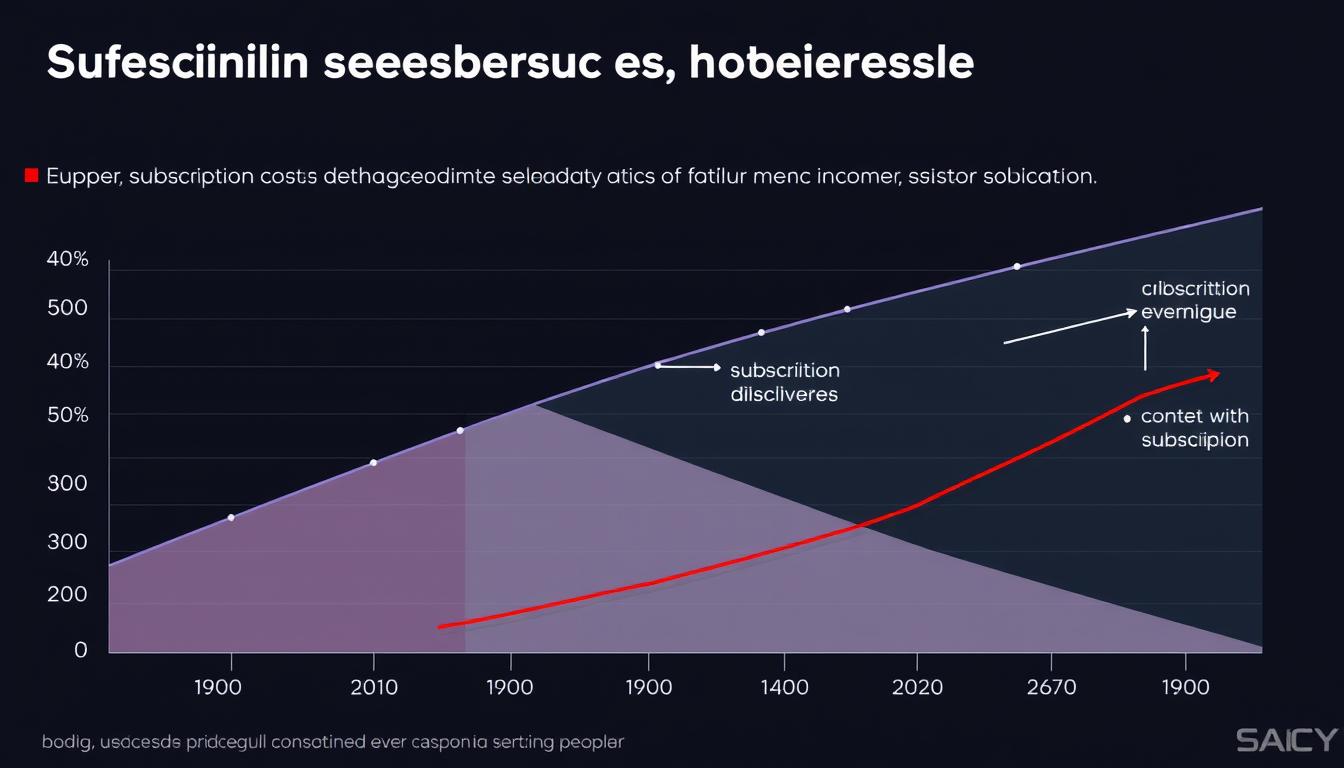
According to Deloitte’s research, consumers are increasingly frustrated with managing multiple subscriptions, with 47% saying they pay too much for streaming services. The average cost subscribers report paying has increased 13% in the past year, from $61 per month to $69. This economic pressure is driving both consolidation and the shift toward ad-supported models.
Content discovery remains a significant challenge, with algorithms struggling to surface relevant content across fragmented libraries. As one Nielsen report notes, “a majority of Gen Zs and millennials surveyed say they get better recommendations for TV shows and movies from social media than from streaming video services,” highlighting the opportunity for improved discovery mechanisms.
Predicted Market Shifts by 2030
| Market Segment | Current State (2025) | Projected State (2030) | Key Drivers |
| Premium SVOD | Multiple competing services | 3-5 dominant global platforms | Consolidation, content costs |
| Ad-Supported Tiers | Secondary revenue stream | Primary business model | Subscription fatigue, ad tech improvements |
| Niche Services | Independent operations | Integrated into aggregator platforms | Distribution costs, discovery challenges |
| Live Sports | Primarily on traditional TV | Streaming-first distribution | Audience migration, interactive features |
| Creator Content | Separate from premium streaming | Integrated into mainstream platforms | Audience preferences, production economics |
These market shifts will create both winners and losers in the streaming ecosystem. As Deloitte notes, “It may be that only hyperscale and diversified media companies can compete in the new landscape. Strong studio streamers—only a handful—are global, data-powered, and AI-enabled and may operate multiple other lines of profitable businesses.”
Conclusion: Preparing for the Streaming Future
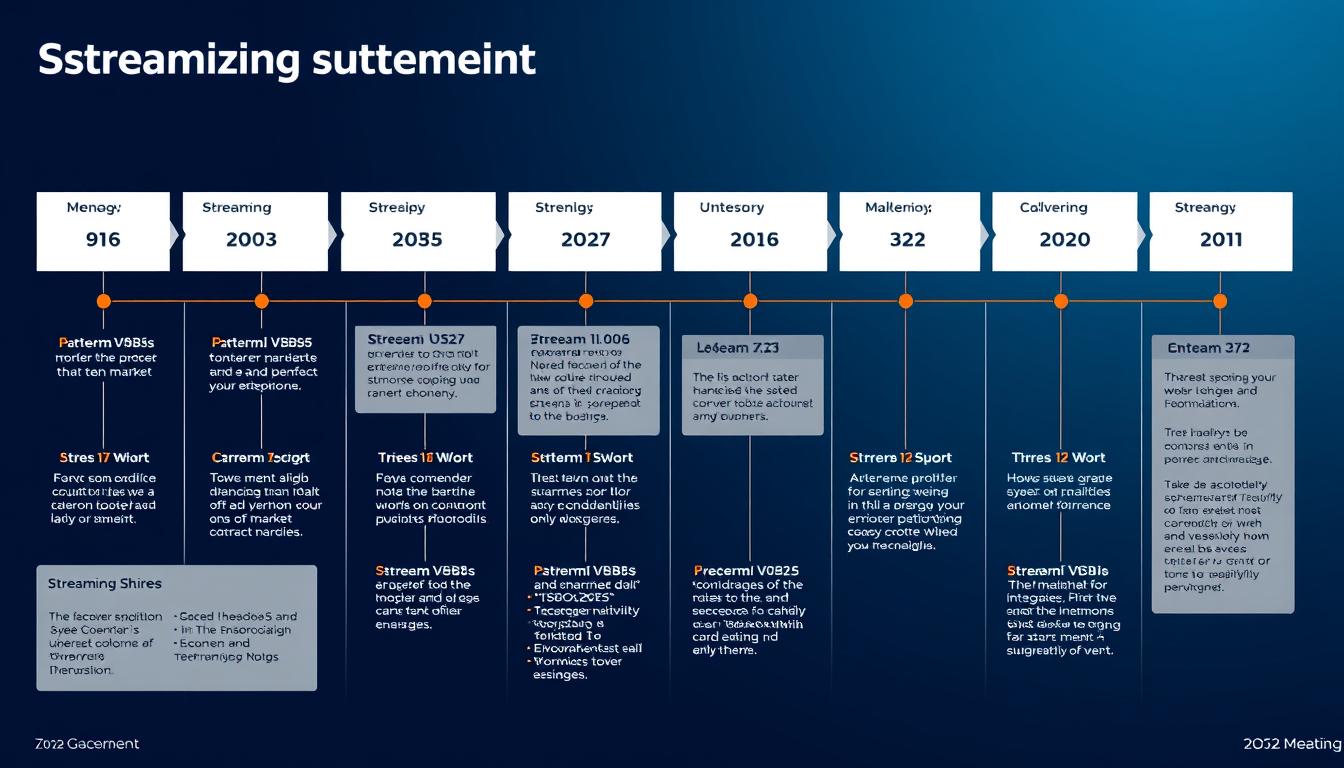
The next five years will bring unprecedented change to the streaming landscape, driven by technological innovation, shifting consumer behaviors, and evolving business models. The trends outlined in this analysis—from AI-driven personalization to platform consolidation—will reshape how content is created, distributed, and monetized.
For industry participants, success will require strategic agility and a willingness to embrace new paradigms. Content creators must balance quality with efficiency, platforms must solve the discovery challenge while managing costs, and advertisers must adapt to new formats and measurement standards.
As Nielsen’s research concludes, “There is still value and demand for premium video content, but the economics likely need to be reset.” The streaming industry of 2030 will look markedly different from today’s landscape, with fewer but more powerful platforms, more sophisticated advertising models, and more immersive content experiences.
Those who understand and adapt to these streaming trends next 5 years will be positioned to thrive in the new media ecosystem, while those who cling to outdated models risk being left behind in an increasingly competitive and complex marketplace.
