
Updates
Chief of War Season 1 Episode 6 S01E06 Recap and Insights
Aug
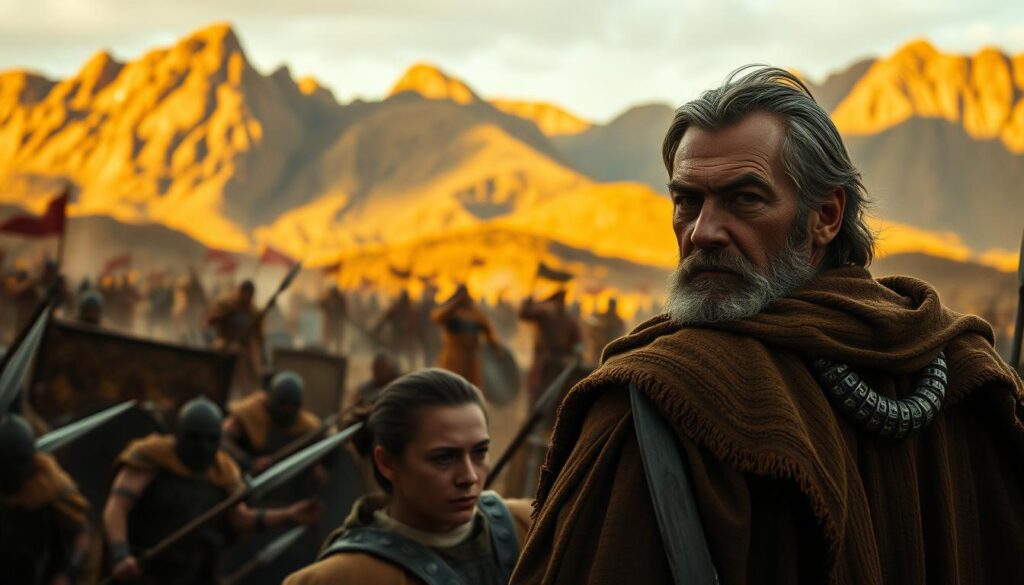
In this episode, Kamehameha faces a critical turning point after Keoua’s devastating attack on Kohala’s food storage. The destruction forces him to rethink his approach, choosing diplomacy over continued conflict. This shift marks a significant moment in the season, as Kamehameha begins to prioritize peace and stability for his people.
One of the most groundbreaking moments is Kupuohi’s peace mission. As the first woman directly involved in conflict resolution, her role highlights the evolving dynamics of leadership. Meanwhile, Ka’iana struggles with his reliance on foreign weapons, torn between modern tactics and traditional Hawaiian values.
The episode also introduces Kamehameha’s revolutionary Law of the Splintered Paddle, a landmark decree protecting civilians from unnecessary violence. This law reflects his growing commitment to safeguarding life and fostering a more just society.
Key Takeaways
- Kamehameha shifts focus from war to diplomatic solutions after Keoua’s attack.
- Kupuohi becomes the first woman to lead a peace mission.
- Ka’iana grapples with the conflict between foreign weapons and Hawaiian traditions.
- The Law of the Splintered Paddle is introduced to protect civilians.
- Growing threats from Kahekili and foreign ships loom over Hawai’i.
Key Events in Chief of War S01E06
A turning point emerges as the characters face critical decisions. The episode delves into the aftermath of Keoua’s attack, Kupuohi’s peace mission, and the introduction of Kamehameha’s groundbreaking law. These events shape the narrative, highlighting the tension between conflict and resolution.
The Aftermath of Keoua’s Attack
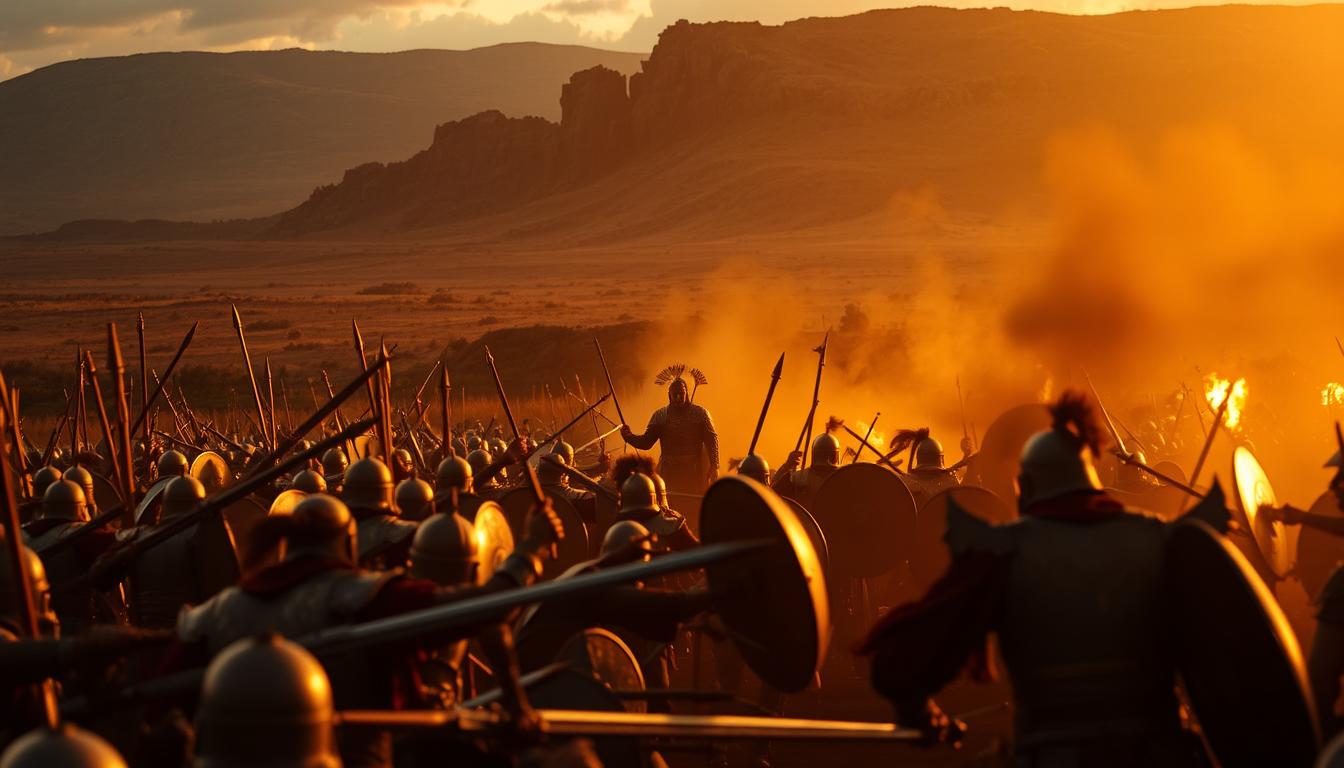
Keoua’s brazen arson attack on Kohala’s food storage leaves Kamehameha’s people vulnerable to famine. This act of violence was intended to provoke war, forcing Kamehameha to rethink his strategy. The council debates their next move, with Ka’iana pushing for immediate retaliation while Kupuohi advocates for a diplomatic approach.
Kupuohi’s Peace Mission
Kupuohi steps into a historic role as the first woman to lead a peace mission. Wearing traditional chiefess attire, she emphasizes Hawaiian identity in her negotiations. Despite her emotional appeal to Keoua’s heritage, her efforts fail due to his obsession with achieving war god status. This mission underscores the evolving dynamics of leadership in the kingdom.
Kamehameha’s Law of the Splintered Paddle
In a landmark decision, Kamehameha introduces the Law of the Splintered Paddle. Inspired by his personal experience surviving a village raid, this law mandates execution for killers except in cases of self-defense. It reflects his commitment to protecting life and fostering a just society. However, immediate tension arises as Ka’iana’s stockpiled European weapons clash with the new peace laws.
Character Developments and Dynamics
Character dynamics take center stage as leadership, diplomacy, and internal struggles unfold. This episode explores the evolving roles of key figures, highlighting their personal growth and challenges. From Kamehameha’s visionary leadership to Kupuohi’s diplomatic efforts, the narrative delves into the complexities of governance and tradition.
Kamehameha’s Leadership and Vision
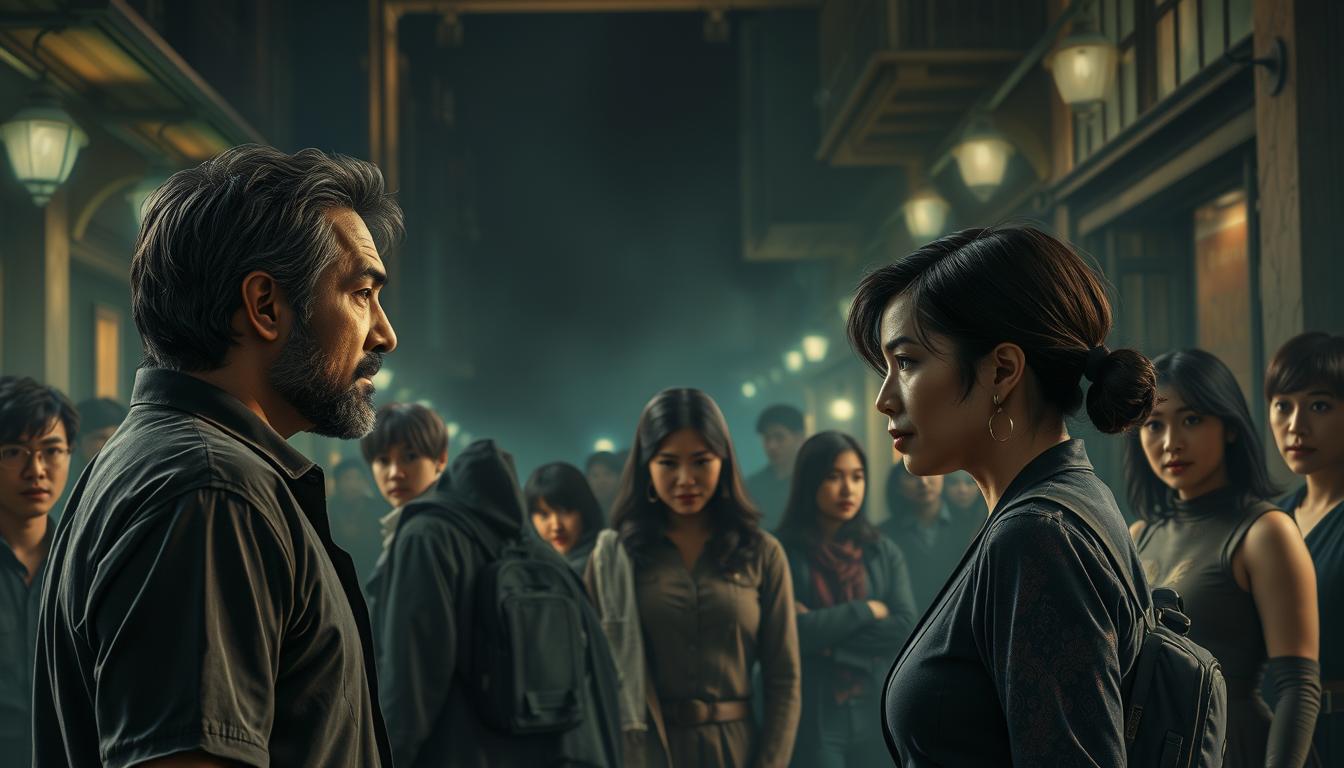
Kamehameha’s progressive alliance with Ka’ahumanu reshapes Hawaiian governance. As the first woman with formal voting rights in the council, Ka’ahumanu’s inclusion marks a turning point. Kamehameha’s vision for a united kingdom is evident as he balances tradition with innovation, paving the way for a more inclusive leadership structure.
Kupuohi’s Role in Diplomacy
Kupuohi’s bilingual negotiation tactics blend tradition with modern diplomacy. Her earth-toned traditional attire contrasts sharply with Ka’iana’s European-inspired clothing, symbolizing the tension between old and new. Despite initial skepticism, her efforts earn respect, showcasing the growing influence of women in the council.
Ka’iana’s Struggle with Fear and War
Ka’iana’s PTSD from Zamboanga slavery fuels his distrust in peace solutions. His adoption of European trousers and weapons creates marital tension, reflecting his internal conflict. Torn between tradition and modernity, Ka’iana’s journey highlights the broader struggle within the kingdom to adapt to changing times.
Themes and Symbolism in Episode 6
Episode 6 of the series masterfully weaves themes of conflict and resolution into its narrative. Through powerful imagery and character decisions, the story explores the tension between tradition and change. This installment highlights the evolving roles of women and the looming threat of foreign influence, setting the stage for the season‘s ending.
The Conflict Between War and Peace
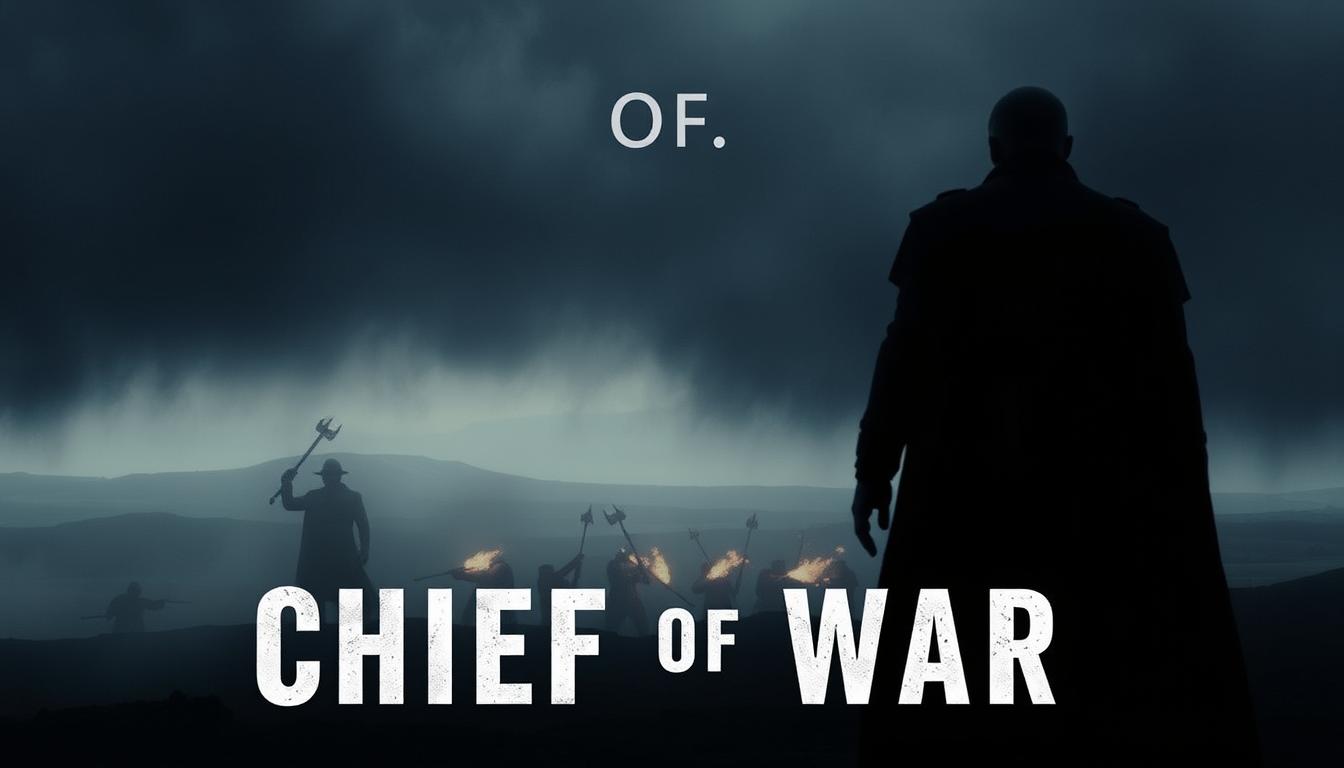
The episode contrasts burning war drums with unstrung peace drums, symbolizing the struggle between violence and harmony. Kamehameha’s Law of the Splintered Paddle, represented by a scroll, stands in stark opposition to Keoua’s burning effigy of the god war. This visual duality underscores the central theme of choosing peace over conflict.
“The Law of the Splintered Paddle is not just a decree; it’s a promise to protect life.”
Women’s Influence in Governance
Ka’ahumanu’s strategic positioning beside the throne during key decisions highlights the growing role of women in governance. Her inclusion in the council marks a turning point, reflecting the shift toward a more inclusive leadership structure. Kupuohi’s peace mission further emphasizes this evolution, as she blends traditional attire with modern diplomacy.
The Threat of Foreign Influence
The appearance of Captain Metcalfe’s ship in the final scene foreshadows the encroachment of foreign influence. European ship designs contrast sharply with Hawaiian outrigger canoes, symbolizing the clash of cultures. Kahekili’s spike-mounted dissidents further illustrate the tyrannical rule that threatens the kingdom’s stability.
| Symbol | Meaning |
|---|---|
| Burning War Drums | Conflict and violence |
| Unstrung Peace Drums | Harmony and resolution |
| Law Scroll | Justice and protection |
| European Ships | Foreign influence and colonization |
As the season approaches its ending, these themes and symbols lay the groundwork for the challenges ahead. The tension between peace and war, the rise of women in leadership, and the threat of foreign influence all point to a pivotal turning point for the kingdom.
Conclusion: What Lies Ahead for the Kingdom of Hawai’i
As the season nears its ending, the kingdom faces pivotal challenges. Keoua’s alliance with Kahekili brings deadly forces to the forefront, threatening Hawai’i’s fragile unity. The arrival of foreign ships hints at impending colonial conflicts, adding pressure to an already tense situation.
Ka’iana’s unique position as the only warrior fluent in European culture may prove crucial. His role could shape the way the kingdom responds to external threats. Meanwhile, Ka’ahumanu’s growing political influence suggests a shift toward more inclusive governance.
Kamehameha’s vision of peace, embodied by the Law of the Splintered Paddle, will face its ultimate test. The clash between this law and the realities of war could define the future. As things unfold, the kingdom must balance tradition with the need to adapt.
Despite the challenges, there is hope. Kamehameha’s leadership continues to inspire, offering a path forward. The season’s ending promises to be a turning point, setting the stage for what’s to come.
