
Updates
Everything About 21.30 Jakarta Lopp1 formel e HD6.22 D+ SE
Jul
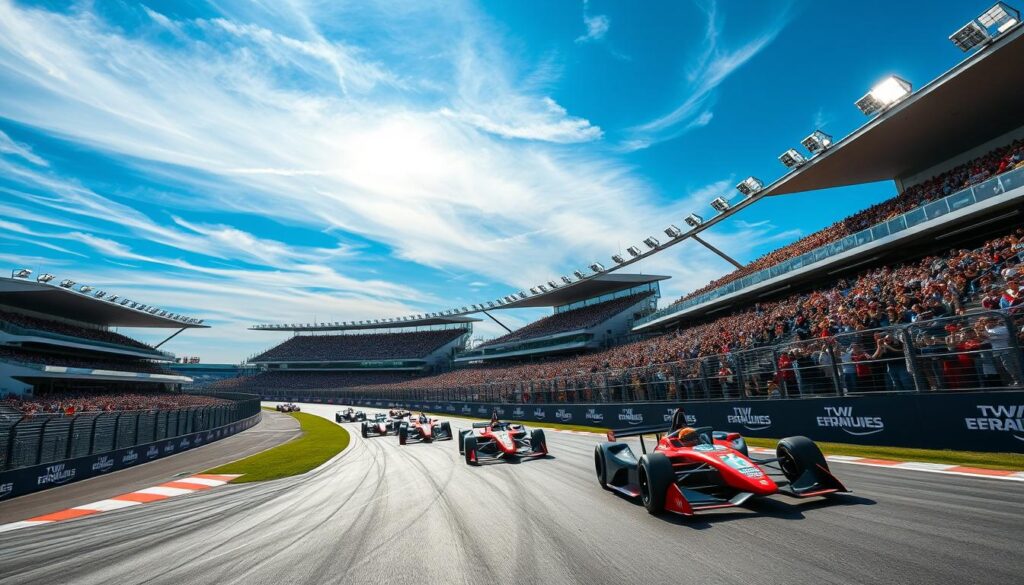
The ABB FIA Formula E World Championship is set to make a thrilling comeback in 2025, with the Jakarta E-Prix returning after a one-year break. Scheduled for 21 June 2025, this high-energy event will showcase cutting-edge electric racing on a track inspired by Indonesia’s vibrant culture.
Fans can expect an unforgettable experience as the GEN3 Evo cars race through the 2.37km circuit, designed with elements from the traditional “Kuda Lumping” dance. The tropical conditions will test the limits of both drivers and machines, adding an extra layer of excitement.
As part of Season 11, this event highlights the growing popularity of sustainable motorsports. Teams like Nissan Formula E will compete in this global championship, pushing innovation and speed to new heights.
Key Takeaways
- The Jakarta E-Prix returns on 21 June 2025 after a one-year absence.
- The track features cultural influences and a challenging 2.37km layout.
- Next-gen GEN3 Evo cars will race in extreme tropical weather.
- Part of the ABB FIA Formula E World Championship Season 11.
- Top teams, including Nissan Formula E, will compete for victory.
What to Expect from the 21.30 Jakarta Lopp1 Formel E HD6.22 D+ SE
Get ready for high-speed action as Formula E returns to its tropical battleground. The 2025 Jakarta E-Prix will push drivers and machines to their limits with a mix of technical corners and blistering straights. Fans can anticipate a weekend packed with fierce competition and strategic battles.
Race Date and Location
On June 21, 2025, the championship revs back into action at the Ancol Beach circuit. Nestled along Jakarta’s coastline, the venue blends urban energy with Indonesia’s rich culture. The tropical setting adds unpredictability, with humidity and heat playing pivotal roles in race outcomes.
Track Overview and Challenges
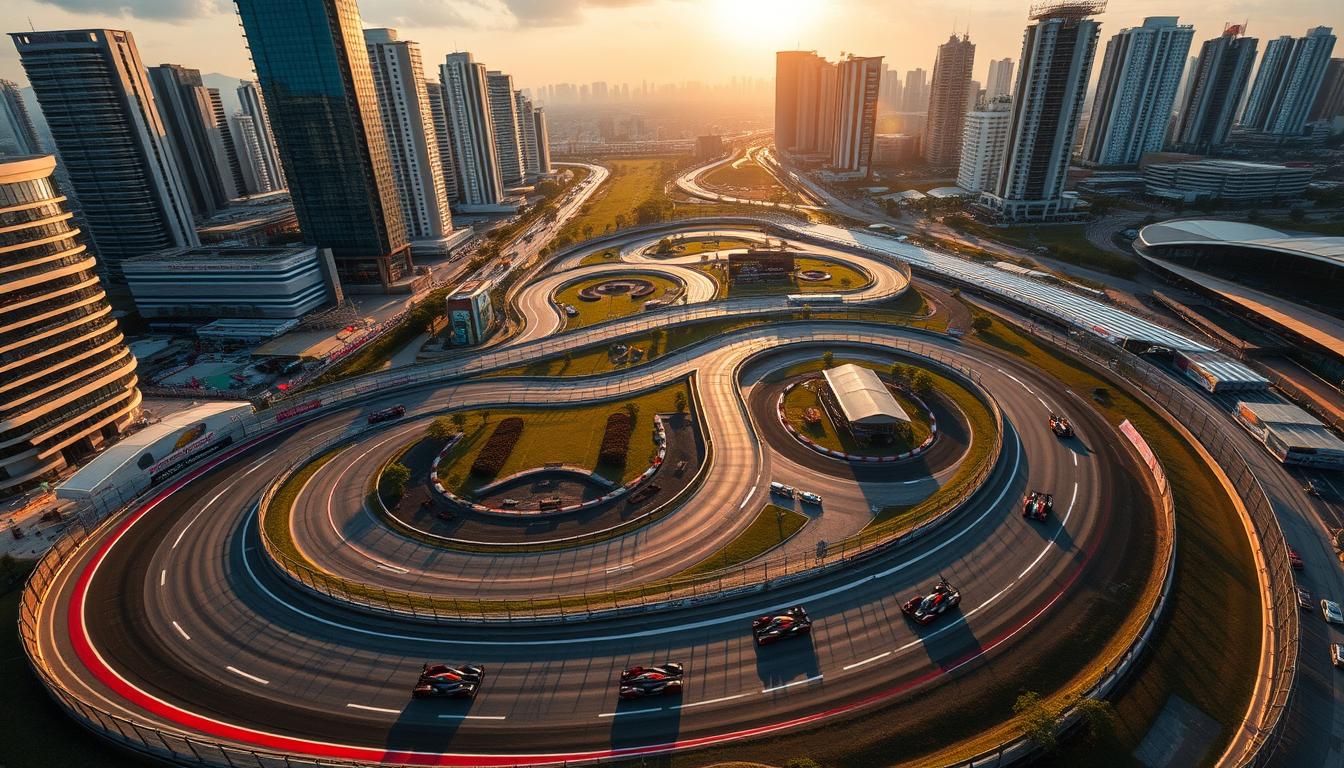
The 2.37km track demands precision, featuring a tight opening sector and banked turns that test braking control. A long straightaway allows for daring overtakes, while the GEN3 Evo cars’ regenerative braking shines in slower sections. Engineers from teams like TAG Heuer Porsche will tweak setups to master these unique conditions.
Event Format and Schedule
Following Season 9’s success, the double-header format returns with two races in one weekend. Friday includes practice sessions, while Saturday hosts qualifying duels and the main race. Attack Mode zones—strategically placed near turns 3 and 7—add tactical depth. Teams must also adapt to sudden rain showers, a hallmark of Jakarta’s climate.
Key Drivers and Teams to Watch
Electric racing fans have their eyes on standout performers this season. The 2025 championship is a thrilling showdown, with three drivers leading the charge. Each brings unique skills and team support to the track.
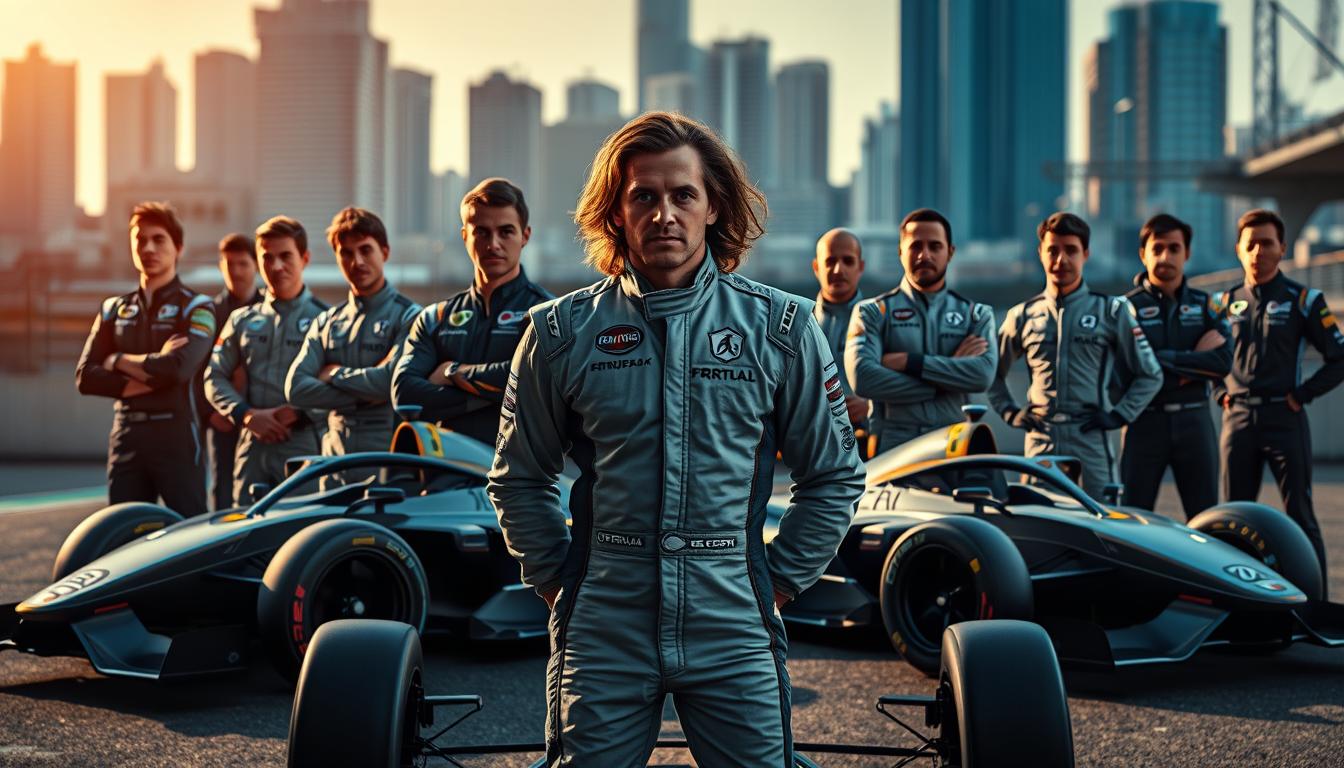
Oliver Rowland and Nissan Formula E Team
Oliver Rowland tops the standings with 171 points, despite a tough race in Shanghai. His consistency is unmatched, with podium finishes in nearly every race this season. Nissan’s technical partnership with McLaren Racing gives his car an edge in energy efficiency.
Pascal Wehrlein and TAG Heuer Porsche
Pascal Wehrlein, currently second, knows Jakarta well—he won here in 2023. Balancing Formula E and Le Mans 24 Hours, his adaptability shines. TAG Heuer Porsche’s innovations in energy management make them a threat in tight races.
Mitch Evans and Jaguar TCS Racing
Mitch Evans is a street-circuit specialist, proven by his 2022 Jakarta victory. Jaguar TCS Racing’s strong season performance puts him in title contention. His aggressive yet calculated style could dominate the tropical track.
| Driver | Team | Points | Strengths |
|---|---|---|---|
| Oliver Rowland | Nissan Formula E Team | 171 | Consistency, energy management |
| Pascal Wehrlein | TAG Heuer Porsche | 158 | Adaptability, dual-series experience |
| Mitch Evans | Jaguar TCS Racing | 142 | Street-circuit mastery |
The Unique Challenges of Racing in Jakarta
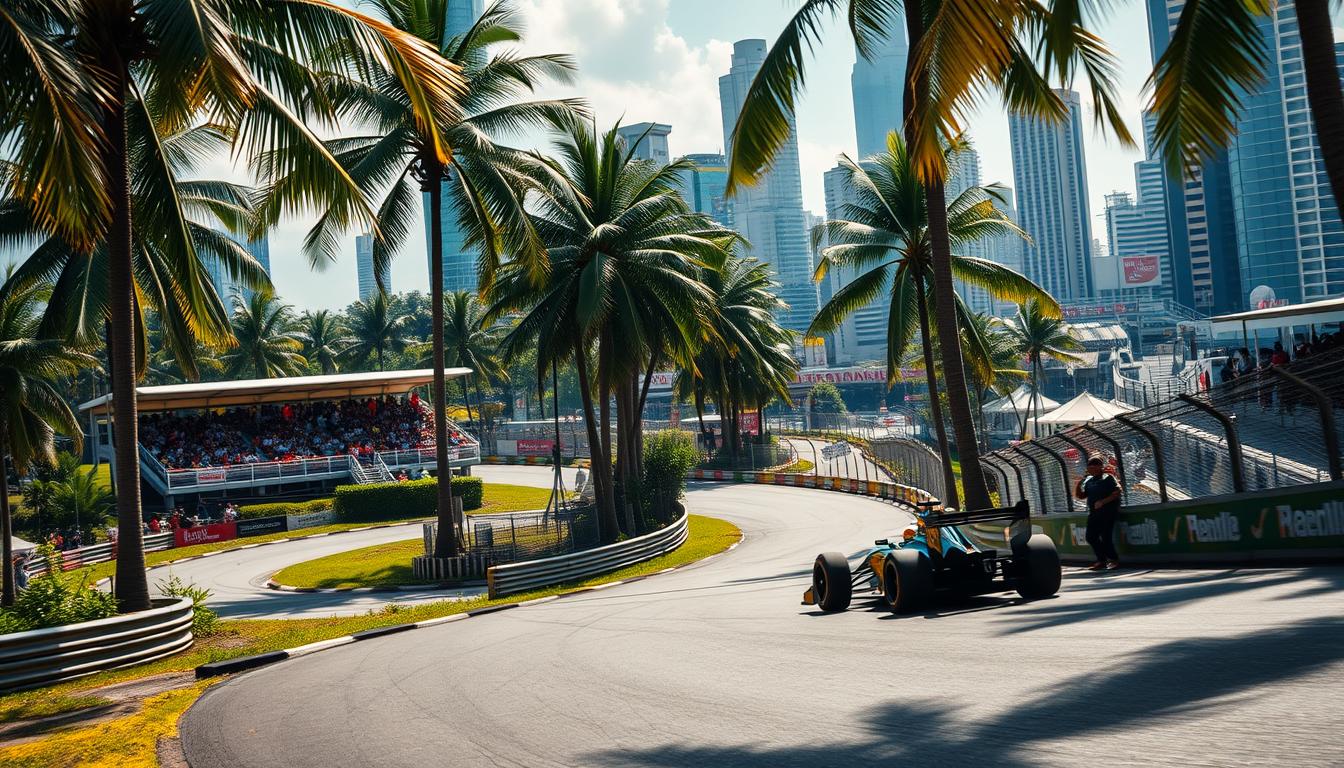
Racing in tropical climates pushes both drivers and machines beyond normal limits. The 2025 Jakarta E-Prix isn’t just about speed—it’s a test of endurance against nature’s extremes. From scorching heat to slippery surfaces, every lap demands precision.
Heat and Humidity Impact
With humidity hitting 85%, drivers face conditions akin to running a marathon. Teams use ice baths and dry ice to cool drivers pre-race. GEN3 Evo cars also struggle, as battery efficiency drops in extreme heat.
Track Conditions and Strategy
Jakarta’s abrasive surface wears tires faster than most circuits. Engineers adjust racing strategy to account for rapid tire degradation. Full Course Yellow periods become critical for energy conservation.
GEN3 Evo Cars in Extreme Weather
The GEN3 Evo’s regenerative braking shines here, recovering energy during tight corners. But thermal management is key—overheating batteries can cost teams the race. Compared to other hot-weather tracks, Jakarta’s mix of humidity and heat is unmatched.
| Challenge | Impact | Solution |
|---|---|---|
| High Humidity | Driver fatigue, reduced focus | Pre-cooling suits, hydration protocols |
| Track Abrasiveness | Faster tire wear | Softer compounds, pit-stop timing |
| Battery Overheating | Power output drops | Active cooling systems |
These hurdles make the Jakarta E-Prix a standout in the ABB FIA Formula World Championship. Teams that adapt fastest will dominate the podium.
Season Standings and Championship Implications
With only four events left, every point matters in the title chase. The Jakarta E-Prix could dramatically shift the season standings, especially for teams trailing Nissan Formula E Team. Let’s break down the current landscape.
Drivers’ Championship Leaderboard
Oliver Rowland holds a commanding 69-point lead over Pascal Wehrlein. His consistency—11 podiums in 14 races—makes him the favorite. However, Jakarta’s high-attrition history could narrow the gap if rivals capitalize.
Teams’ and Manufacturers’ Standings
Nissan leads the Manufacturers’ championship by 12 points, but Jaguar TCS Racing’s late surge threatens their dominance. TAG Heuer Porsche needs double-points finishes to stay in contention. Here’s how the top three stack up:
| Team | Points | Key Advantage |
|---|---|---|
| Nissan Formula E Team | 312 | Energy recovery systems |
| Jaguar TCS Racing | 300 | Street-circuit expertise |
| TAG Heuer Porsche | 287 | Thermal management |
How Jakarta Could Reshape the Title Race
Southeast Asia has hosted pivotal championship deciders before. In 2023, Wehrlein’s Jakarta win propelled him to second overall. This year, monsoon conditions might favor bold strategists like Jaguar, while Nissan aims to protect its lead.
With 58 points available per weekend, even Rowland isn’t mathematically secure. The Formula World Championship could see its closest finish yet.
Conclusion: Why This Race Matters
Sustainability meets speed in this crucial leg of the Formula World Championship. The event isn’t just about podium finishes—it’s a live lab for GEN3 Evo tech, shaping 2026 car designs.
Southeast Asia’s motorsport growth shines here, blending culture with cutting-edge engineering. Fans also see sustainability in action, from solar-powered pits to carbon-neutral initiatives.
With Berlin’s finale looming, Jakarta’s results could flip the title race. Teams pushing limits today are rewriting the rules for future races. The ABB FIA Formula series proves innovation never stops.
FAQ
When and where is the Jakarta Formula E race taking place?
Who are the top drivers to watch in this race?
What makes the Jakarta track unique for Formula E?
How does this race impact the championship standings?
What’s special about the Gen3 Evo cars racing in Jakarta?
Can I watch the race live?
