
Updates
The Head S02E06: Detailed Recap

Jul
Season 2 of The Head reaches its explosive climax in episode 6. Set in a remote antarctic research station, this finale delivers high-stakes drama. Directed by Jorge Dorado, it blends mystery with urgent ecological themes.
Filmed across Iceland and the Canary Islands, the episode showcases breathtaking icy landscapes. Polaris Antarctic Research Station becomes a battleground as tensions boil over. John Lynch returns as Dr. Arthur Wilde, adding moral complexity to the unfolding chaos.
With an IMDb rating of 7.0, this chapter resolves season-long conflicts aboard the Alexandria. Its focus on climate research mirrors real-world environmental struggles. Viewers witness how scientists continue innovative research despite extreme conditions.
Key Takeaways
- Final episode features explosive confrontations at Polaris Station
- Blends thriller elements with climate change awareness
- Filmed across two countries for authentic polar visuals
- John Lynch delivers standout performance as conflicted scientist
- Resolves multiple character arcs while leaving room for future stories
The Head S02E06: Key Events and Plot Breakdown
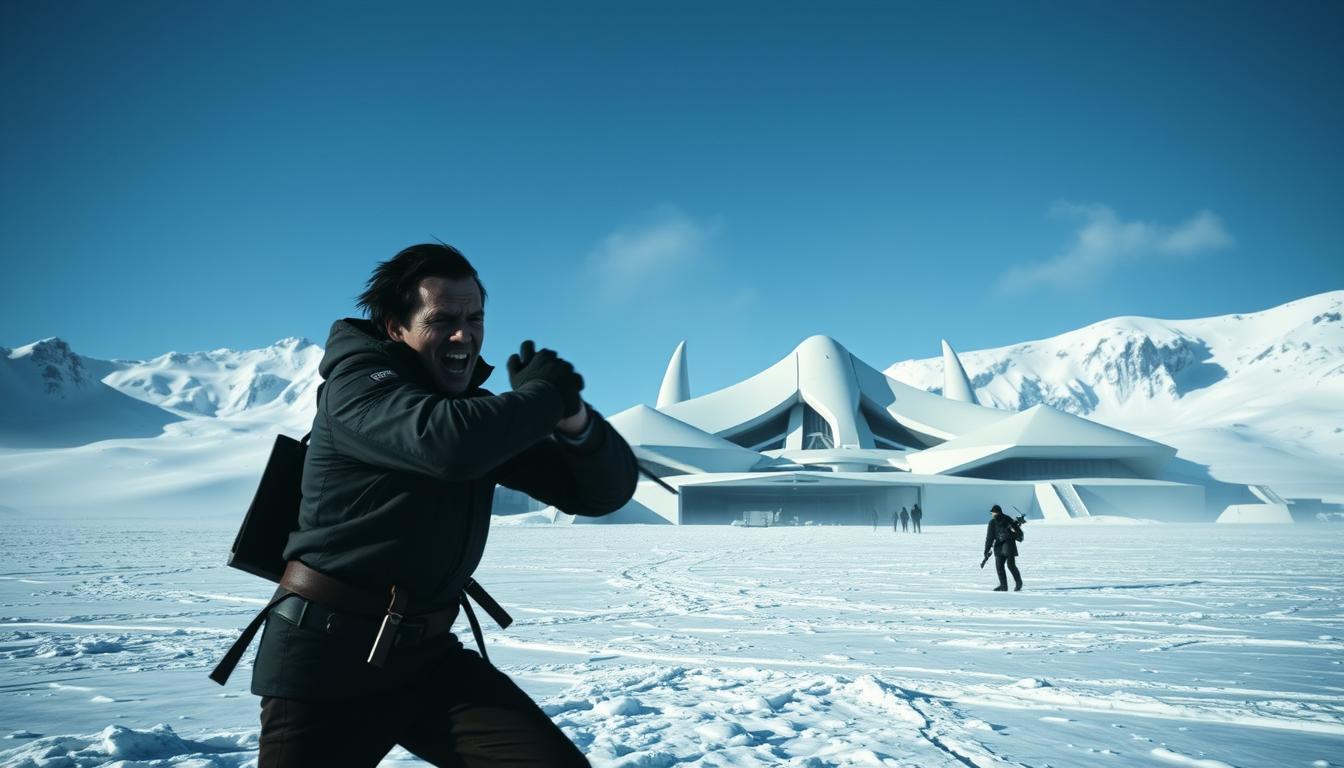
Tensions reach their peak in this explosive finale set at Polaris Station. As the Alexandria’s systems fail, the crew scrambles to survive, revealing dark secrets tied to climate research sabotage.
The Alexandria’s Explosive Climax
Mechanical failures trigger a chain reaction aboard the ship. A small team of winterers abandons the vessel, racing against time as fires spread. The life raft sequence amps up tension with close-quarters conflict.
DNA evidence from Kowalski’s murder proves pivotal. It exposes a corporate plot to steal the PBR machine, a device central to innovative research on algae-based solutions to fight climate change.
Revealing the Killer’s Identity
Charlie’s violent spree was a red herring. The true culprit targeted Dr. Wilde’s work, fearing its impact on fossil fuel industries. Polar T3 Syndrome’s psychological toll further warps crew decisions.
Zach’s disappearance timeline aligns with the killer’s moves. In the end, only one survivor emerges from the raft, setting the stage for Season 3’s final chapter.
Character Arcs and Developments
Moral boundaries blur as the team fights for survival. This episode peels back layers of its characters, revealing how extreme pressure reshapes loyalties and ethics.

Arthur Wilde’s Moral Dilemmas
Fresh from prison, Arthur Wilde battles guilt over his climate research compromises. His daughter Gloria’s scientific ethics clash with his own ends-justify-means approach. Flashbacks to Johan Berg’s leadership amplify Wilde’s self-doubt.
In one tense scene, he sabotages the team’s escape to protect his algae breakthrough. Olivia Morris’ portrayal of Rachel Russo highlights Wilde’s isolation—her distrust mirrors viewers’ unease.
Rachel Russo’s Role in the Final Confrontation
Rachel evolves from hesitant researcher to tactical leader. She deciphers Charlie’s corporate ties, exposing the plot against Wilde’s work. Her calm under pressure contrasts with Maggie’s PTSD-driven panic.
Parallels to season 1’s Annika emerge when Rachel becomes the sole survivor. Her final stand—destroying the PBR machine—echoes the show’s theme: sacrifice for global good.
- Gloria Wilde: Bridges family loyalty and scientific integrity
- Maggie Mitchell: Past trauma clouds critical choices
- Crew dynamics: Fractures under corporate betrayal
Themes and Symbolism in the Episode
Environmental urgency fuels both the plot and symbolism in this climactic episode. Beyond murder mysteries, the story layers ecological warnings through visual metaphors and character choices. The research station transforms into a pressure cooker for human ethics under duress.
Survival vs. Sacrifice
Limited resources force brutal decisions among the crew. Food rationing scenes mirror global scarcity anxieties, while the algae-based PBR machine becomes a contested lifeline. Rachel’s choice to destroy it epitomizes the episode’s central dilemma.
Key symbolic elements include:
- Murder weapons: Repurposed lab tools highlight science’s dual-use potential
- Frozen corpses: Visual reminders of consequences for failed cooperation
- Life raft: Represents fragile hope amid environmental collapse
Climate Change as Narrative Backdrop
Dr. Wilde’s innovative research on CO2-consuming algae mirrors real antarctic research initiatives. The show contrasts this with corporate sabotage plots, critiquing profit-driven resistance to climate change solutions.
| Real Antarctic Protocols | Polaris Station Depiction |
|---|---|
| Strict resource sharing | Hoarding leads to violence |
| International collaboration | Corporate espionage undermines trust |
| Climate data transparency | Research weaponized for profit |
Polar T3 Syndrome’s psychological effects parallel modern climate change despair. The Alexandria’s fate—a sinking ship—serves as blunt metaphor for planetary crisis. This positions the series within the emerging “cli-fi” television trend.
Conclusion: Why This Episode Matters
This season finale stands out as the highest-rated installment, scoring 7.0 on IMDb. It masterfully wraps up a six-episode mystery while teasing the final chapter. Viewers praised its intense maritime sequences and gripping characters.
Beyond thrills, the series elevates climate change discussions through its plot. Research sabotage and survival choices mirror real-world environmental struggles. John Lynch’s performance adds depth to the ethical dilemmas faced by the crew.
Fans of shows like The Rig will appreciate its blend of suspense and ecological themes. With its rewatch value and cultural relevance, this episode cements the ship’s fate as a metaphor for global crises. Season 3 promises even bolder storytelling.
FAQ
What happened to the research station in this episode?
Who was revealed as the killer in this episode?
How does climate change play into the story?
What was Arthur Wilde’s biggest challenge?
Did Rachel Russo play a major role in the climax?
What themes stood out most in this episode?
