
Updates
Hacksaw Ridge [Multi-Sub] [2016] Movie Review: A Powerful Historical Drama
![Hacksaw Ridge [Multi-Sub] [2016]](https://braveo-iptv.net/wp-content/uploads/2025/07/Hacksaw-Ridge-Multi-Sub-2016-1024x585.jpeg)
Jul
Mel Gibson’s Hacksaw Ridge brings an unforgettable true story to life. This gripping war drama follows Desmond Doss, a medic who saved 75 soldiers without firing a single shot. The film blends intense battle scenes with deep emotional moments, making it a standout in the genre.
Andrew Garfield delivers an Oscar-worthy performance as Doss, capturing his unwavering faith and courage. The direction by Gibson is masterful, marking his strong return after a decade-long break. With stunning visuals and Dolby Atmos sound, the movie offers an immersive experience.
Critics and audiences praised the film, earning it six Academy Award nominations, including Best Picture. Its themes of pacifism amid brutality resonate long after the credits roll. If you love historical dramas, this is a must-watch.
Key Takeaways
- Based on the true story of Medal of Honor recipient Desmond Doss.
- Andrew Garfield’s performance is both powerful and moving.
- Mel Gibson’s direction creates a visually stunning and emotional film.
- Features intense war scenes balanced with deep human drama.
- Received six Oscar nominations, including Best Picture.
The Inspiring True Story Behind Hacksaw Ridge
Few wartime stories are as compelling as that of Desmond Doss, a man who defied convention to save lives. His journey from a Seventh-Day Adventist upbringing to the blood-soaked cliffs of Okinawa redefined heroism. The film captures his unwavering faith and the moral conviction that made him the first conscientious objector to receive the Medal of Honor.
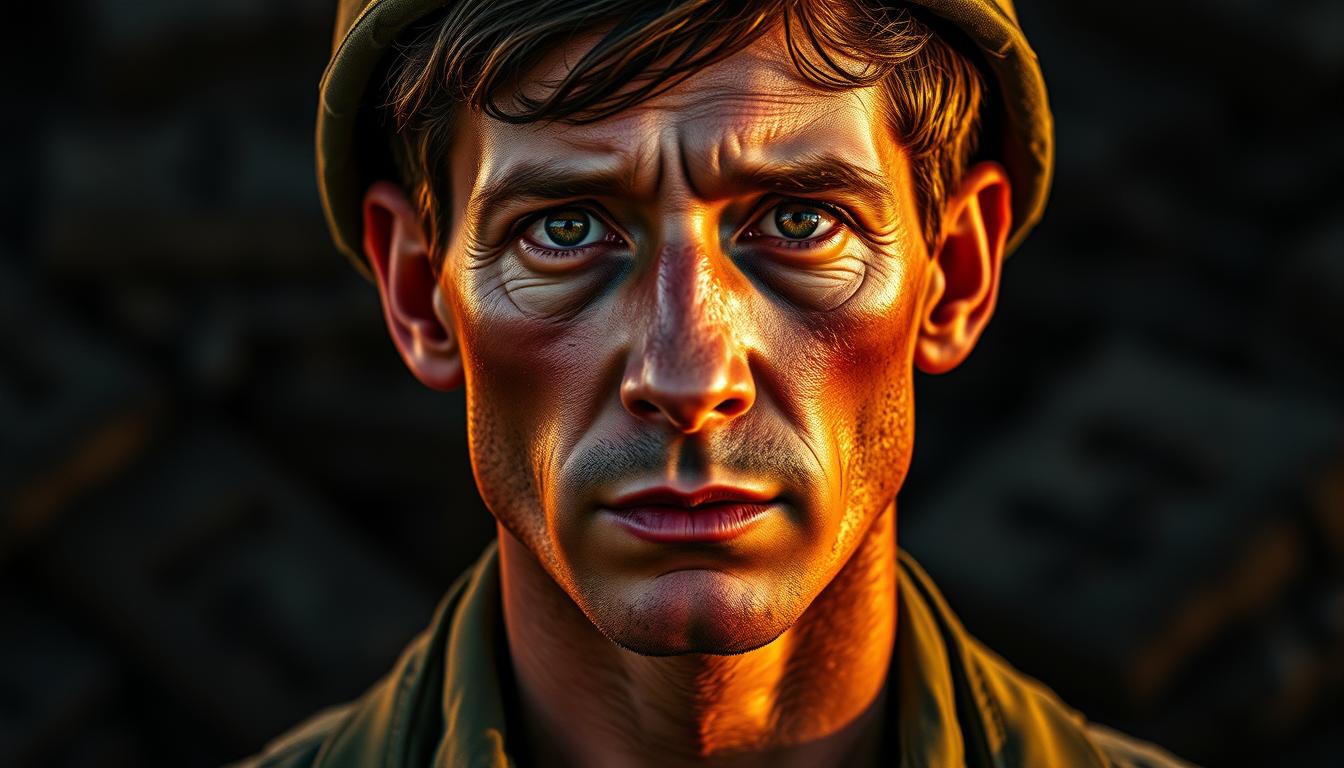
Desmond Doss: The Conscientious Objector Who Made History
Raised in Lynchburg, Virginia, Doss believed killing was a sin—even in World War II. Despite ridicule, he enlisted as a combat medic, refusing to carry a weapon. His unit’s assault on Hacksaw Ridge tested his resolve, but Doss lowered 75 wounded soldiers down the cliff alone, praying, “Lord, help me get one more.”
The Battle of Okinawa: A Harrowing Backdrop
The 1945 campaign saw 240,000 casualties, with Doss’s battalion facing relentless fire. Veterans described the ridge as “a meat grinder,” yet the medic’s nighttime rescues became legend. The film’s depiction stays true to his Seventh-Day Adventist values, though some events are condensed for drama.
Doss’s true story challenges notions of bravery, proving courage isn’t always armed. His Medal of Honor citation, signed by Truman, called his actions “above and beyond the call of duty.” Few battle accounts blend pacifism and sacrifice so powerfully.
Mel Gibson’s Direction: A Triumphant Return to Filmmaking
A decade after his last project, Mel Gibson returns with a war film that redefines courage. His direction balances unflinching violence with moments of quiet humanity, creating a visceral experience. The film’s 38-minute battle sequence, shot with 1,500 extras, immerses viewers in the chaos of Okinawa.
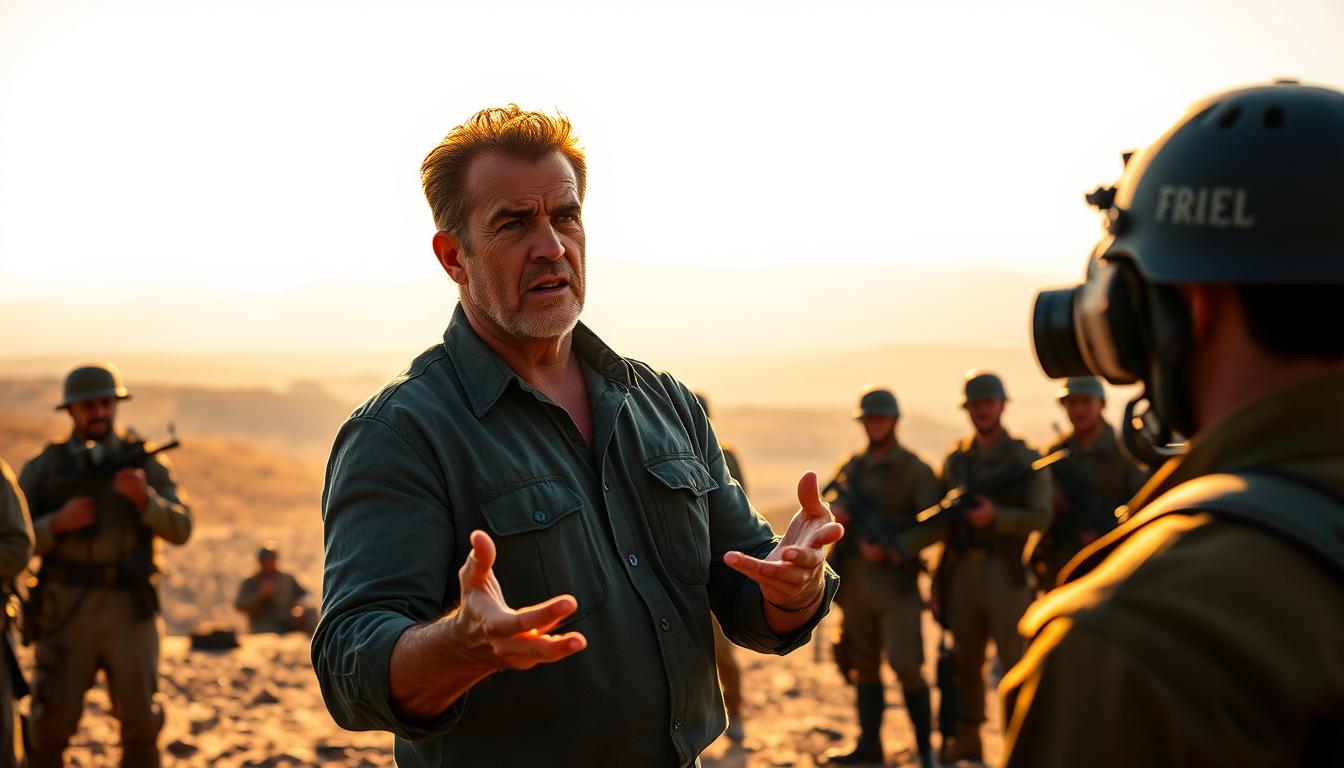
Balancing Pacifism and War’s Brutality
Gibson contrasts Desmond Doss’s pacifism with the horrors of combat. Slow-motion explosions and realistic wounds heighten the tension. “I wanted the audience to feel every bullet,” Gibson noted, echoing the intensity of Saving Private Ryan.
The training scenes reveal Doss’s resilience amid mockery from fellow soldiers. Gibson’s research with military advisors ensures authenticity, from bunker assaults to battlefield camaraderie.
The Controversial Glorification of Battle
Critics debate whether the film romanticizes war despite its anti-war message. The Okinawa sequences, while technically brilliant, risk glorifying the very violence Doss rejected. Yet, Gibson’s focus on sacrifice—not victory—adds depth.
“True heroism isn’t about killing; it’s about saving lives.”
Japanese soldiers are portrayed with nuance, avoiding caricature. Gibson’s redemption narrative mirrors Doss’s journey, making this his most personal work since Braveheart.
Andrew Garfield and the Stellar Cast
Andrew Garfield delivers one of his most compelling performances in this war drama. His portrayal of Desmond Doss required months of research, including studying Doss’s speech patterns and Seventh-Day Adventist values. The result is a performance that feels authentically humble yet heroic.
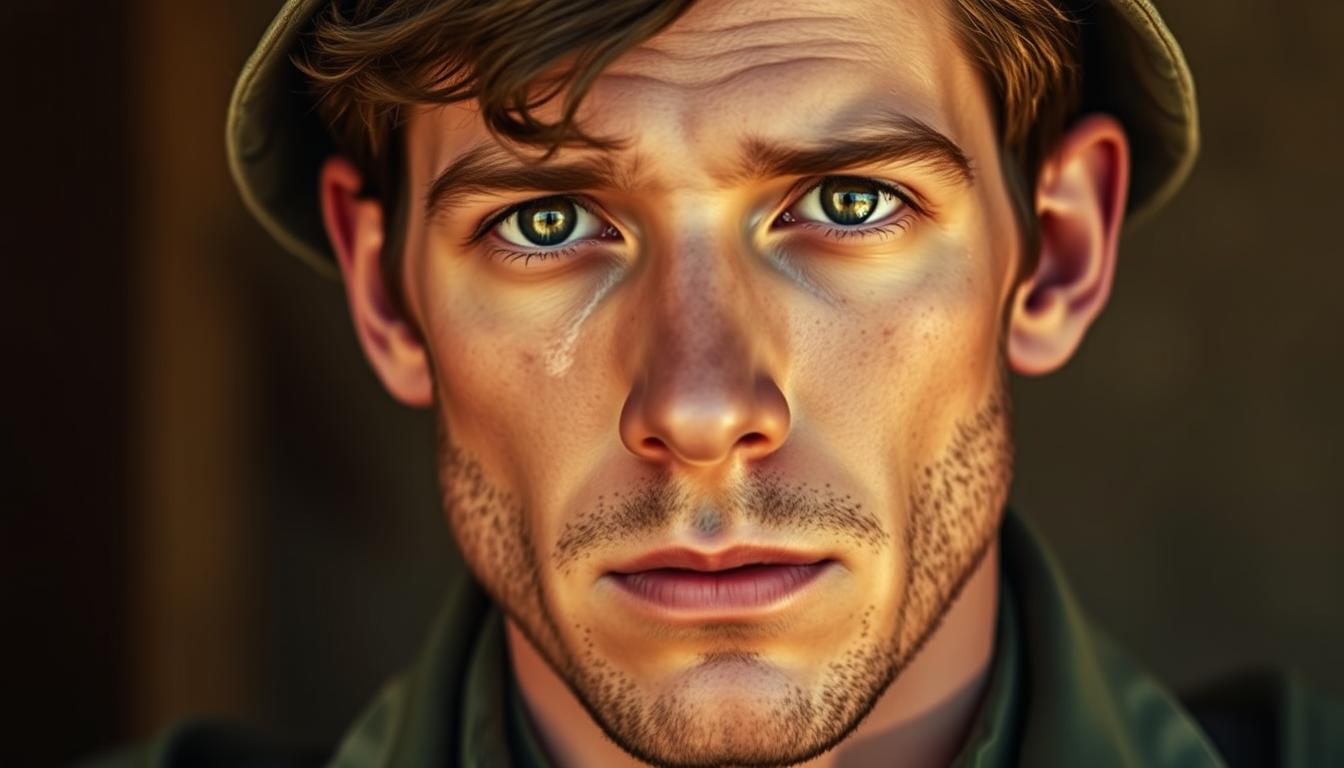
Garfield’s Transformative Performance
Garfield lost 20 pounds to mirror Doss’s wiry frame, adding physical realism. His courtroom defense scene—where Doss refuses to compromise his beliefs—showcases raw emotional intensity. Critics praised his ability to convey faith under fire without melodrama.
Supporting Roles: Depth Beyond the Battlefield
Vince Vaughn surprises as Sergeant Howell, blending humor with grit. With 27% of the film’s dialogue, his drill instructor balances tough love and latent respect for Doss. Meanwhile, Hugo Weaving’s portrayal of Doss’s alcoholic father—a WWI veteran with PTSD—required 14 takes per scene to capture the character’s torment.
Teresa Palmer brings warmth as Dorothy, Doss’s wife. Her performance, based on real letters, grounds the story in tender humanity. Sam Worthington’s Captain Glover also stands out, reflecting historical officers’ conflicted leadership.
| Actor | Role | Key Contribution |
|---|---|---|
| Andrew Garfield | Desmond Doss | Oscar-worthy physical/emotional transformation |
| Vince Vaughn | Sergeant Howell | 27% of dialogue; comic relief with depth |
| Hugo Weaving | Tom Doss | Haunting PTSD portrayal (14 takes/scene) |
| Teresa Palmer | Dorothy Schutte | Humanized Doss’s personal life via real letters |
The ensemble’s chemistry shines in boot camp scenes and the hospital proposal, where Doss’s vulnerability contrasts with battlefield bravery. Their prep—including military drills—lent authenticity to every interaction.
Technical Brilliance: Cinematography and Sound Design
From breathtaking visuals to immersive sound, the movie’s production quality is unmatched. Shot on ARRI Alexa XT cameras at 3.4K resolution, every frame delivers gritty realism. The team used 360-degree camera rigs to capture trench sequences, placing viewers in the heart of the action.
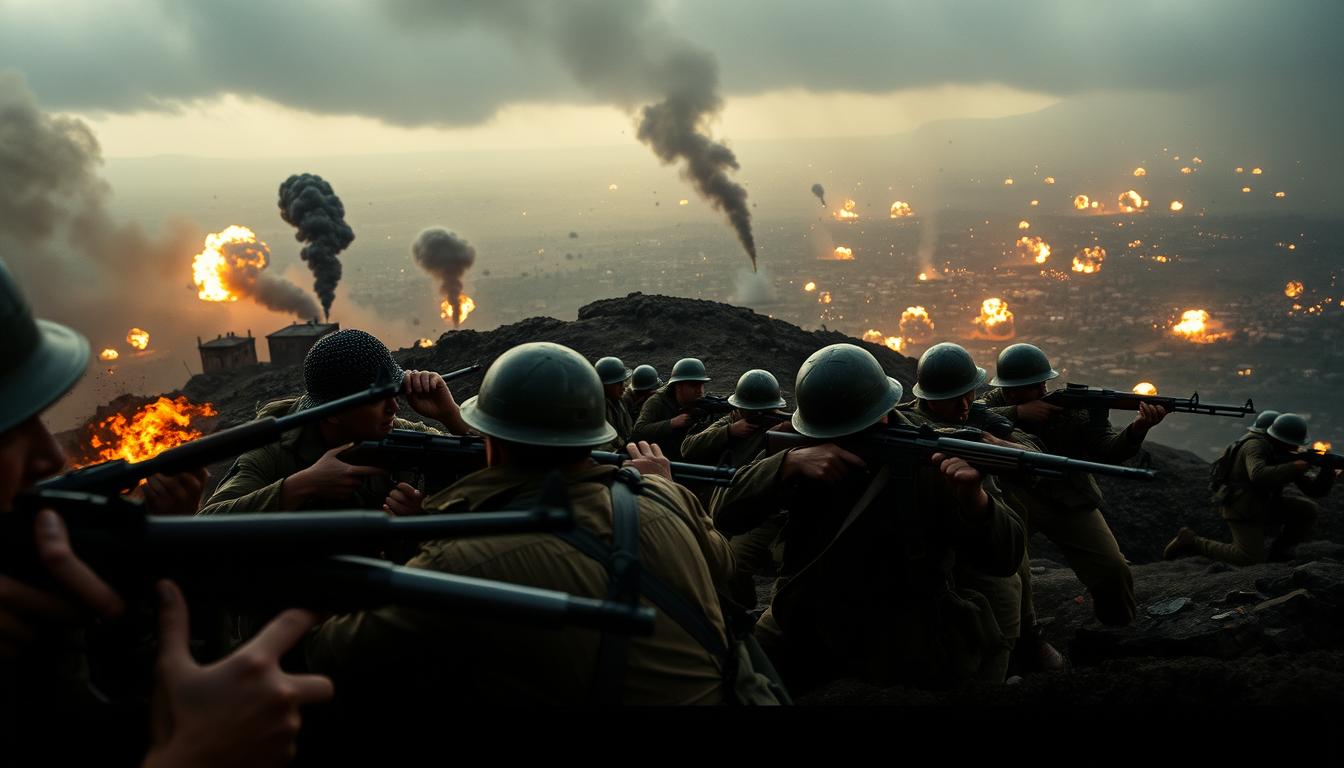
The Gritty Realism of the Battle Scenes
The opening assault mirrors Saving Private Ryan’s Omaha Beach with prosthetic effects so real, veterans reportedly flinched. Flamethrowers and explosions gain depth through HDR grading, hitting 4,000 nits for retina-searing intensity. Night scenes use muted blues and oranges to contrast chaos with fleeting calm.
Director Mel Gibson insisted on practical effects—no CGI blood. A team of 50 medics trained actors to move wounded soldiers authentically. The result? A harrowing yet respectful portrayal of war’s toll.
Dolby Atmos and HDR: Elevating the Viewing Experience
The 11.1-channel Dolby Atmos mix features 7,000+ sound effects, from helicopter panning to bullet whizzes. Dialogue stays clear despite battlefield noise, a feat achieved by isolating vocals in post-production. The cliff scaling sequence uses vertical sound staging—listen for ropes creaking overhead.
“Sound isn’t just heard; it’s felt. We wanted audiences to experience Desmond’s fear and resolve.”
For the best experience:
- Watch in 4K UHD with HDR10 for vibrant explosions.
- Kaleidescape’s version offers 7 exclusive battle scenes with higher bitrates.
- Set speakers to “Dynamic” mode for Atmos’s full range.
This technical prowess ensures the film’s emotional weight lands with visceral impact. Whether you’re a cinephile or history buff, the craftsmanship demands appreciation.
Conclusion: A Must-Watch War Drama
Years after its release, this war drama still leaves a powerful impact. With two Oscars and a 94% audience score, it’s earned its place among modern classics. The real-life heroism of Desmond Doss adds a sense of sacrifice few films match.
Critical reviews praise its balance of faith and battlefield grit. The final Medal scene delivers an emotional payoff that lingers, making it ideal for mature audiences. Pair it with a documentary for full historical context.
Oscar-nominated for best picture, it stands the test of time. Gibson’s direction cements his legacy, while the 4K HDR format heightens its intensity. For fans of character-driven epics, this is essential viewing.
FAQ
Is Hacksaw Ridge based on a true story?
Why did Mel Gibson choose this project for his directorial comeback?
How accurate is Andrew Garfield’s portrayal of Desmond Doss?
Does the movie glorify war violence?
What makes the battle scenes so realistic?
How does Vince Vaughn’s role differ from his usual comedies?
Was the film recognized by major awards?
