
Updates
Explore Our Planet: Facts, News, and Updates
Aug
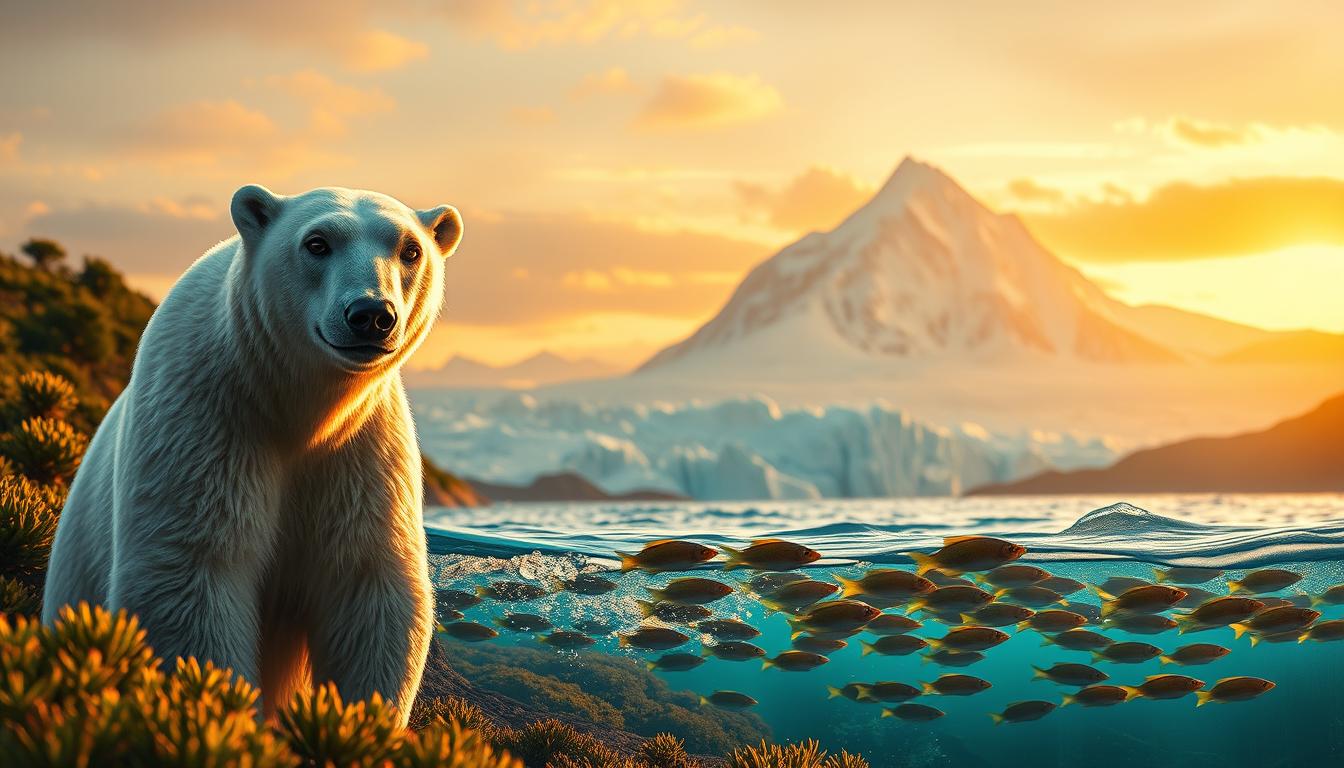
The Emmy® Award-winning Netflix series Our Planet has captivated audiences worldwide, with over 570 million viewing hours. This groundbreaking documentary highlights the diversity of life on Earth and the urgent need for conservation. Narrated by Sir David Attenborough, it brings viewers closer to the wonders of nature like never before.
In June 2023, Our Planet II was released, focusing on animal migration and using innovative 4K technology to capture rare moments in remote habitats. From jungles to frozen worlds, the series showcases the beauty and fragility of our world. It’s a powerful reminder of how the health of our environment impacts all species, including humanity.
Collaborating with Silverback Films and WWF, the series aims to inspire global action to protect forests, oceans, and wildlife. Visit OurPlanet.com for additional resources and to learn how you can contribute to conservation efforts.
Key Takeaways
- The Emmy® Award-winning series Our Planet has over 570 million viewing hours.
- Our Planet II was released in June 2023, focusing on animal migration.
- The series uses 4K technology to capture rare wildlife moments in remote habitats.
- It highlights the importance of biodiversity and conservation challenges.
- Collaboration with WWF and Silverback Films aims to inspire global action.
- Visit OurPlanet.com for multimedia content and conservation resources.
Discover the Wonders of Our Planet
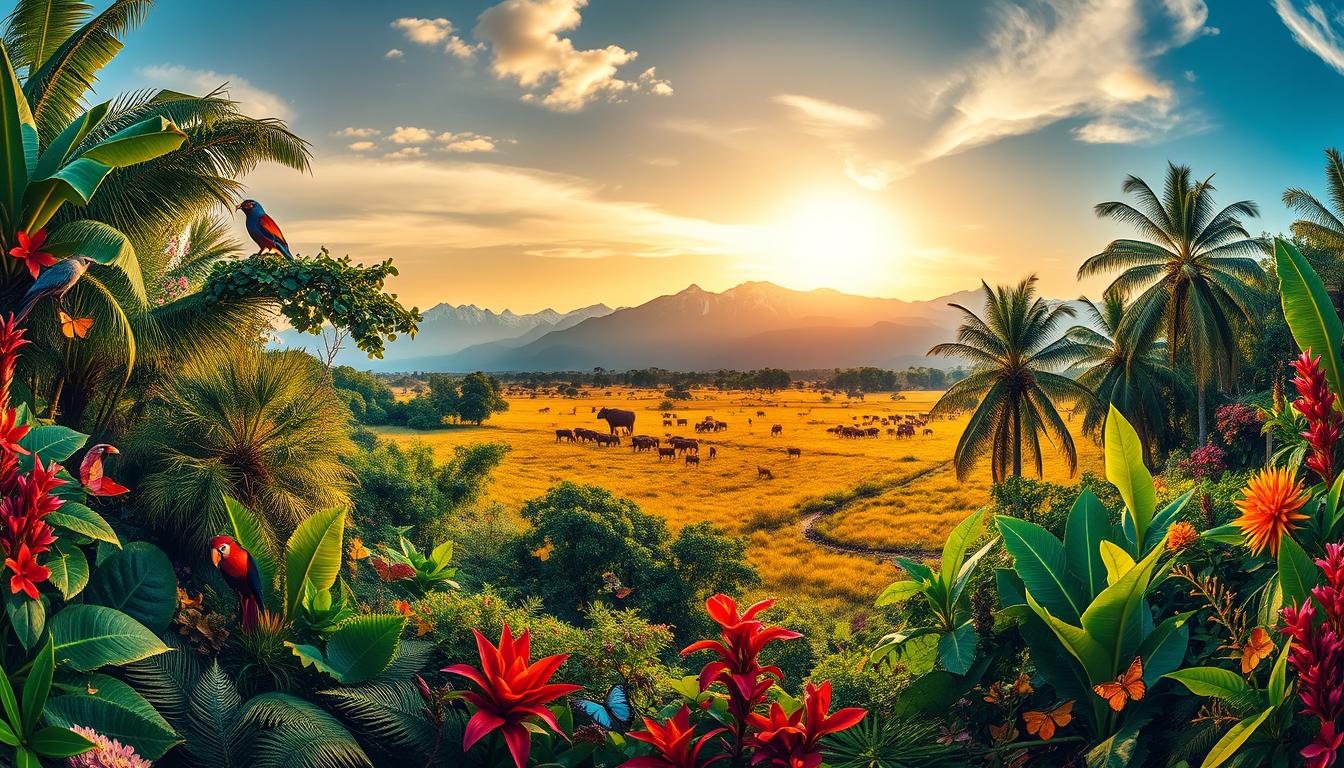
From dense jungles to vast oceans, the diversity of life on Earth is truly astonishing. Every habitat, from the Amazon rainforest to the Arctic tundra, supports a unique array of species. These ecosystems are not just beautiful—they are essential for the survival of all creatures, including humanity.
The Astonishing Diversity of Life on Earth
Jungles like the Amazon are home to unparalleled biodiversity. They host 75% of all known species, from vibrant birds of paradise to rare insects. These ecosystems are the oldest on Earth, yet they face threats like deforestation and climate change.
Freshwater systems are equally vital. Though only 3% of Earth’s water is freshwater, these habitats support all terrestrial life. They provide drinking water, sustain aquatic ecosystems, and are crucial for the survival of countless animals.
How Habitats Are Interconnected
Habitats are deeply interconnected. For example, melting polar ice affects coastal seas and global weather patterns. This mystery of nature shows how changes in one region can ripple across the globe.
Whale migrations in the high seas and pumas in grasslands illustrate ecological balance. These creatures play key roles in their environments, but their survival is threatened by human activity. Protecting these habitats ensures the health of our world.
Grasslands, which sustain large land animals, are shrinking due to human expansion. Forests, the lifelines of our earth depends, are being cleared at alarming rates. Addressing these challenges is essential for preserving the diversity of life on Earth.
Our Planet: A Groundbreaking Documentary Series
Capturing the essence of Earth’s beauty, *Our Planet* continues to inspire millions. This Emmy® Award-winning series on Netflix has set a new standard for nature documentaries. With stunning visuals and powerful storytelling, it highlights the intricate balance of the natural world.
Emmy® Award-Winning Series on Netflix
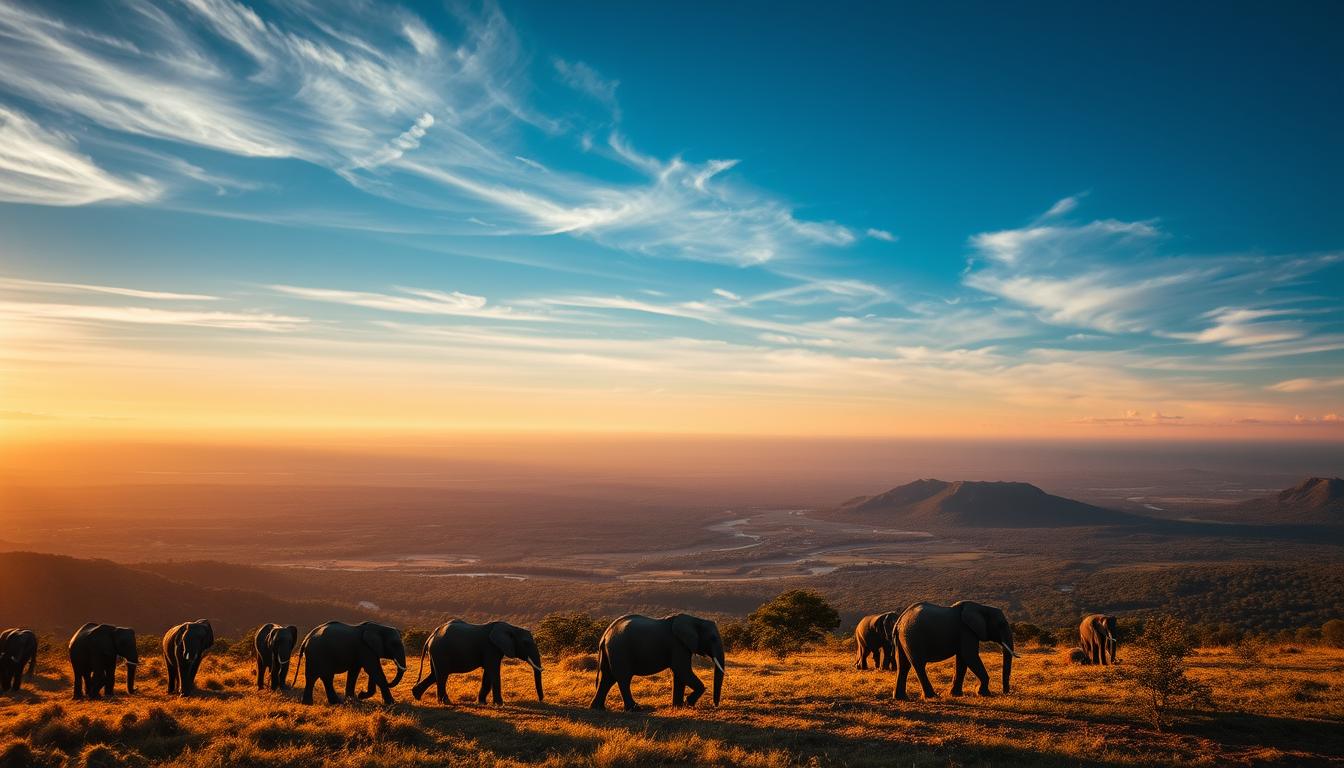
Narrated by Sir David Attenborough, the series has captivated audiences worldwide. Its innovative use of 4K technology brings viewers closer to the wonders of the natural world. From vast savannahs to dense rainforests, the show reveals the mystery of how animals migrate and thrive.
Behind the Scenes of Our Planet II
Released in June 2023, *Our Planet II* took storytelling to new heights. The team at Silverback Films spent three months per episode capturing major animal migrations. Drone footage of wildebeest herds and low-light rainforest cinematography are just a few of the technical achievements.
One of the most challenging shoots was at the Great Barrier Reef. The team documented coastal ecosystems, showcasing the delicate balance of marine life. Sir David Attenborough remarked,
“Humanity must protect these migratory pathways to ensure the survival of countless species.”
The series also highlights the impact of climate change on animal movements. From locust swarms to crane migrations, it emphasizes the urgency of conservation. *Our Planet II* is not just a show—it’s a call to action for the life earth depends on.
Key Habitats and Their Importance
Earth’s habitats are vital to the survival of countless species and humanity. From the icy poles to lush jungles, each ecosystem plays a unique role in maintaining the balance of life. Protecting these places ensures the health planet depends on.
Frozen Worlds: The Last Wildernesses
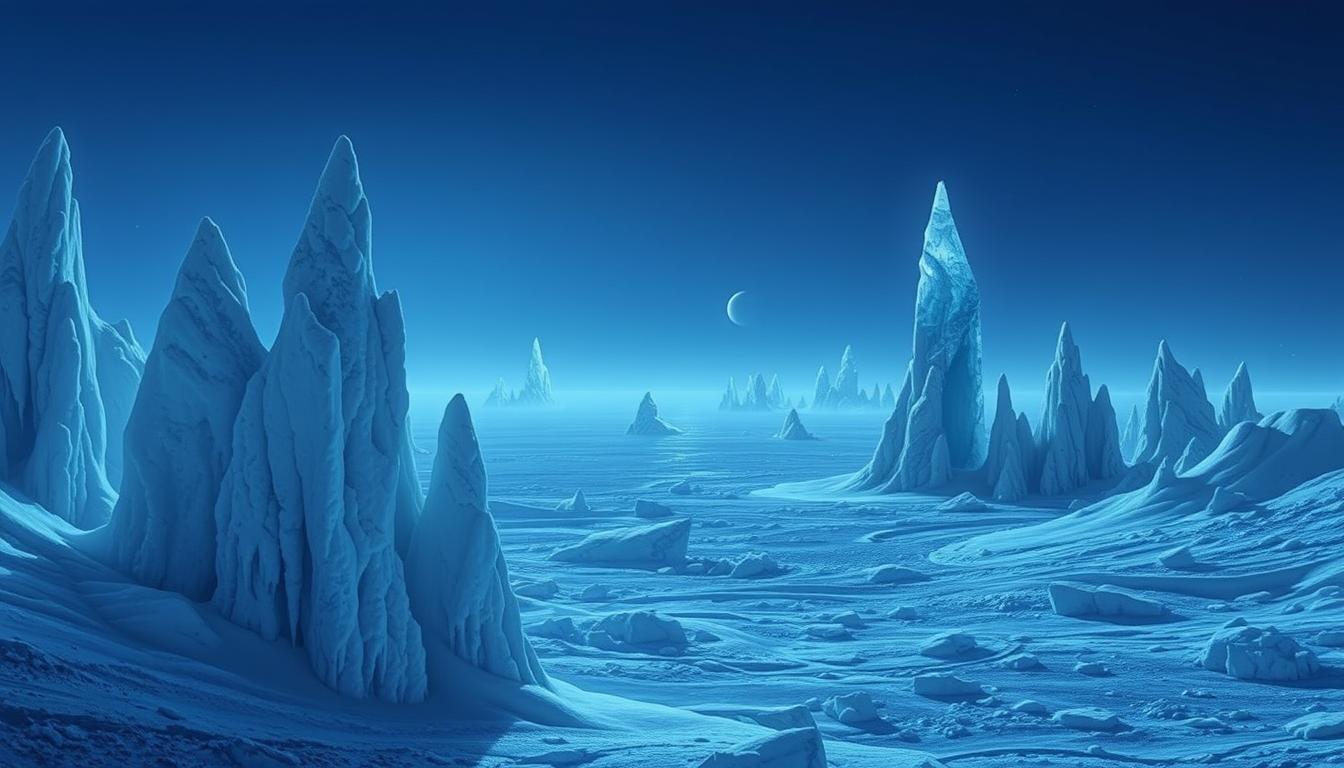
Frozen worlds, like the Arctic and Antarctic, regulate global temperatures. They act as Earth’s air conditioning, reflecting sunlight with their vast ice sheets. These regions are home to unique creatures, such as emperor penguins and polar bears.
However, polar regions are warming twice as fast as the global average. This threatens species adapted to extreme cold. Protecting these frozen worlds is crucial for maintaining global climate stability.
Jungles: The Oldest Ecosystems
Jungles, like the Amazon, are the oldest ecosystems on Earth. They host 75% of all known species, making them biodiversity hotspots. These lush places also act as carbon sinks, absorbing large amounts of CO2.
Despite their importance, jungles face threats like deforestation and illegal logging. Protecting these ecosystems ensures the survival of countless creatures and helps combat climate change.
Forests: The Lifeline of Our Planet
Forests, such as the Taiga, store 40% of the world’s terrestrial carbon. They are essential for maintaining the health planet relies on. Reforestation efforts show that forests can recover if given the chance.
Grasslands, often overlooked, are shrinking due to human expansion. These grasslands sustain large land animals and play a key role in biodiversity. Protecting forests and grasslands is vital for the future.
Coastal Seas: Vital to Humanity
Coastal seas provide 50% of humanity’s oxygen through marine plants. They support fisheries, tourism, and climate regulation. These places are home to diverse species, including whales and coral reefs.
However, 35% of mangroves have been destroyed since 1980. Protecting coastal seas ensures the survival of marine life and the communities that depend on them.
| Habitat | Key Role | Threats |
|---|---|---|
| Frozen Worlds | Regulate global temperatures | Rapid warming |
| Jungles | Carbon sinks, biodiversity hotspots | Deforestation |
| Forests | Store carbon, support biodiversity | Logging, land conversion |
| Coastal Seas | Provide oxygen, support fisheries | Pollution, habitat loss |
Conclusion: Protecting Our Planet for Future Generations
The future of all life earth depends on the actions we take today. Understanding the interconnectedness of habitats and the urgency of biodiversity loss is just the beginning. We must act now to preserve the natural world for future generations.
WWF’s Schools & Youth programs aim to engage 10 million students in conservation by 2030. This initiative fosters environmental stewardship from a young age, ensuring a brighter future for our health planet.
Take actionable steps today. Reduce plastic use, support reforestation, and donate to habitat restoration projects. Small changes in daily habits can make a big difference in saving the diversity of life on Earth.
Watch *Our Planet* on Netflix to deepen your understanding of global ecosystems. Witness the mystery animals and their incredible journeys. As Sir David Attenborough said, “The future of all life on Earth depends on us.” Let’s take action together.
