
Updates
Mission: Impossible III [Multi-Sub] [2006] – A Detailed Review
![Mission: Impossible III [Multi-Sub] [2006]](https://braveo-iptv.net/wp-content/uploads/2025/07/Mission-Impossible-III-Multi-Sub-2006.jpeg)
Jul
The third entry in the high-octane spy series, Mission: Impossible III, arrived in 2006 with J.J. Abrams at the helm for his feature film debut. Starring Tom Cruise, who also produced the movie, it introduced a more personal stakes-driven narrative while retaining the franchise’s signature action.
Despite mixed reviews from critics (66 Metascore), audiences embraced the thrilling pace and Philip Seymour Hoffman’s chilling performance as villain Owen Davian. The mysterious “Rabbit’s Foot” MacGuffin propelled the plot, blending espionage with emotional depth.
Though it grossed $398.5 million worldwide—the lowest in the series—its tighter focus on Ethan Hunt’s sacrifices resonated. Balancing duty and personal life became central themes, setting a tone future installments would expand upon.
Key Takeaways
- J.J. Abrams made his directorial debut with this installment.
- Philip Seymour Hoffman delivered a standout villain performance.
- The film underperformed at the box office compared to other franchise entries.
- It introduced deeper character development alongside high-stakes action.
- The “Rabbit’s Foot” plot device drove the story forward.
Introduction: Ethan Hunt’s High-Stakes Return
Retirement seems tempting for Ethan Hunt—until danger pulls him back into the field. This installment reveals a softer side of the legendary IMF agent Ethan, now training recruits while secretly yearning for a quieter life. His spontaneous marriage to Julia Meade (Michelle Monaghan) becomes both his sanctuary and his greatest vulnerability.
The Berlin rescue mission shatters Hunt’s fragile balance. Tasked with saving a captured protégé, he confronts the explosive pellet implant—a brutal reminder of his past. Here, agent Ethan Hunt isn’t just fighting villains; he’s racing against time to protect what he loves.
Director J.J. Abrams sharpens the franchise’s emotional core. Gone are the glossy theatrics of earlier films—replaced by gritty close-ups and raw stakes. Hunt’s struggle mirrors Abrams’ vision: a hero torn between duty and devotion.
Julia’s role is pivotal. Unlike previous love interests, she’s no damsel. Her chemistry with Hunt grounds the chaos, making his sacrifices resonate deeper. When the villain taunts, “You’ll never have a normal life,” the threat feels personal.
This chapter redefined the series. By blending heart-pounding action with human drama, it set the template for future missions—where every explosion carries emotional weight.
Plot Breakdown: A Race Against Time
A deadly game of cat and mouse unfolds with personal stakes. This chapter pits Ethan Hunt against a shadowy arms dealer while wrestling with his new married life. The dual pressures create relentless tension throughout the movies.
The Rabbit’s Foot Mystery
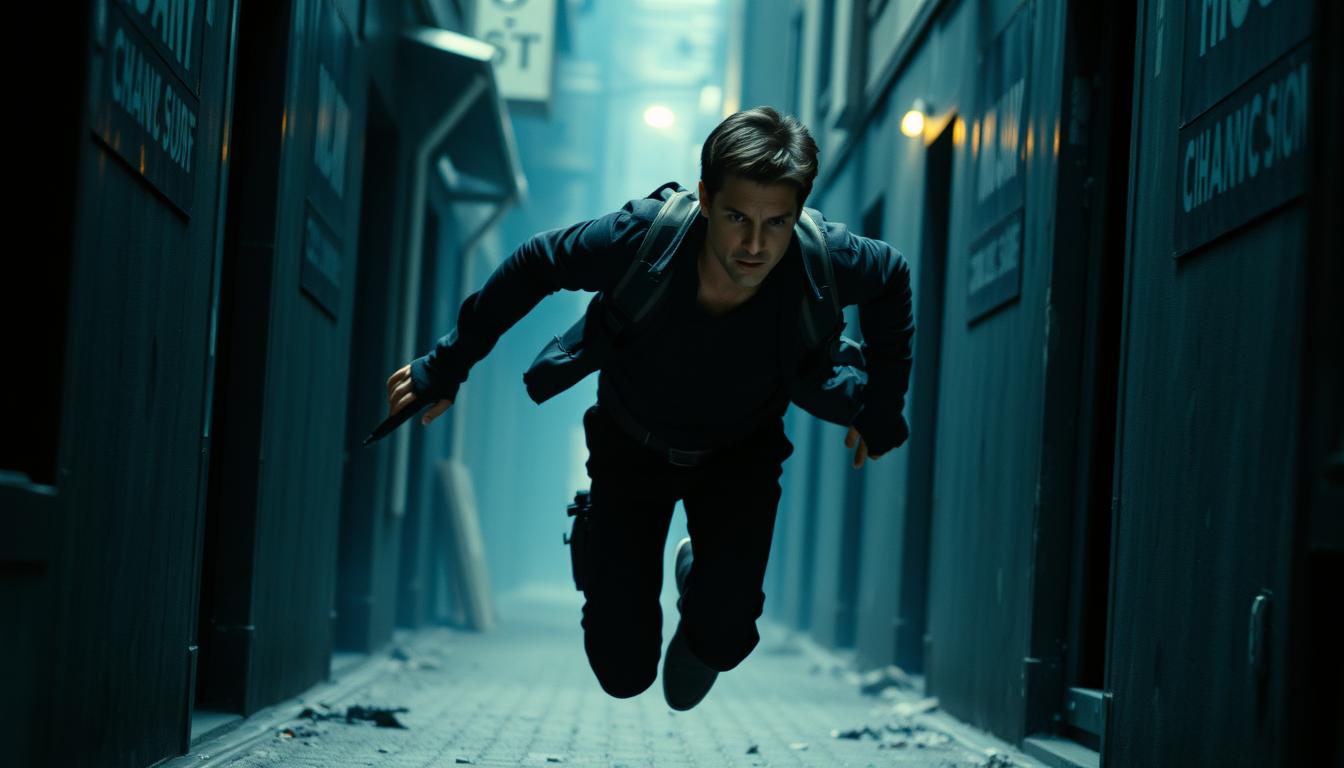
The mysterious MacGuffin drives the plot forward. Though never fully explained, its potential for global destruction forces Hunt back into action. This object represents the franchise’s love for high-stakes espionage.
Tom Cruise performed 90% of his stunts despite being 44 during filming. His physical commitment shines during the Vatican infiltration and Shanghai rooftop chase. These sequences ground the fantastical plot in visceral reality.
Ethan’s Impossible Choice
The film’s heart lies in Hunt’s struggle between duty and love. His wife Julia represents normalcy—a life he can’t really even enjoy. When she’s kidnapped, the villain weaponizes this vulnerability.
| Professional Demands | Personal Desires |
|---|---|
| Rabbit’s Foot mission | Protecting Julia |
| IMF protocols | Domestic happiness |
| Team leadership role | Emotional openness |
The defibrillator scene delivers an emotional payoff. Hunt’s near-death vision of Julia confirms what truly matters. This moment redefines his character beyond just an action hero.
Why Mission: Impossible III [Multi-Sub] [2006] Stands Out
Few spy films balance heart-pounding action with emotional depth as effectively as this installment. It redefined the franchise by blending relentless thrills with raw character stakes.
J.J. Abrams’ Fresh Direction
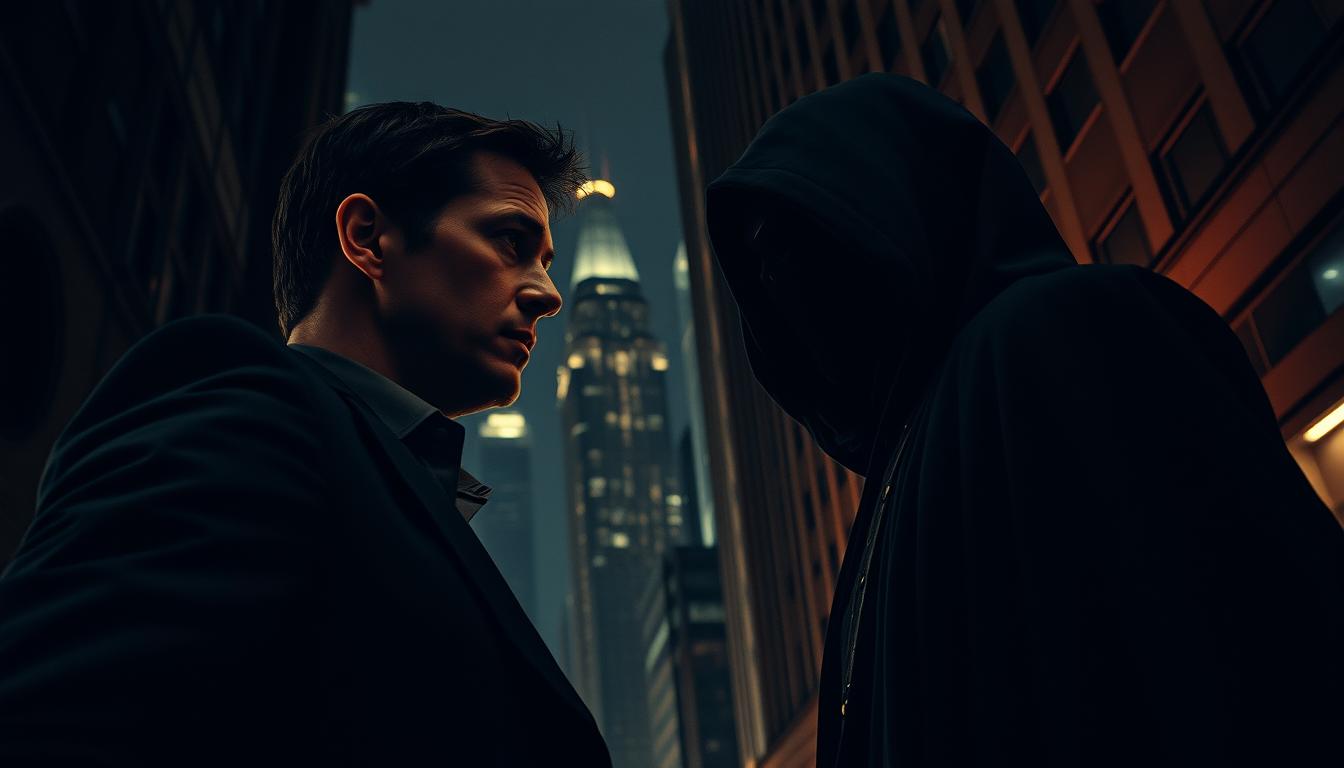
The series gained new energy under Abrams’ leadership. His TV background (Alias, Lost) brought tighter storytelling and closer camera work. Scenes like the bridge ambush felt visceral, not staged.
Practical effects took priority. Real explosions and stunts—like Cruise’s 44-story Shanghai leap—grounded the movies in authenticity. CGI was a last resort, not a crutch.
Grittier Tone Compared to Predecessors
Philip Seymour Hoffman’s villain, Owen Davian, was a revelation. Unlike flamboyant foes, he was quietly terrifying. The torture scene—where Hunt’s love for Julia is weaponized—still chills audiences.
| Mission: Impossible II (2000) | Mission: Impossible III (2006) |
|---|---|
| Romanticized, slow-motion action | Raw, handheld combat |
| Vibrant colors | Darker, muted palette |
| Over-the-top villainy | Psychological menace |
Lindsey Farris’ on-screen death shocked fans. It signaled no one was safe—raising stakes for future missions. This bold choice cemented the film’s legacy as a turning point.
Action and Stunts: Edge-of-Your-Seat Thrills
Adrenaline-pumping sequences define this chapter of the franchise. J.J. Abrams prioritized realism, crafting set pieces that blurred the line between film and reality. The result? A visceral experience that still holds up decades later.
Iconic Set Pieces
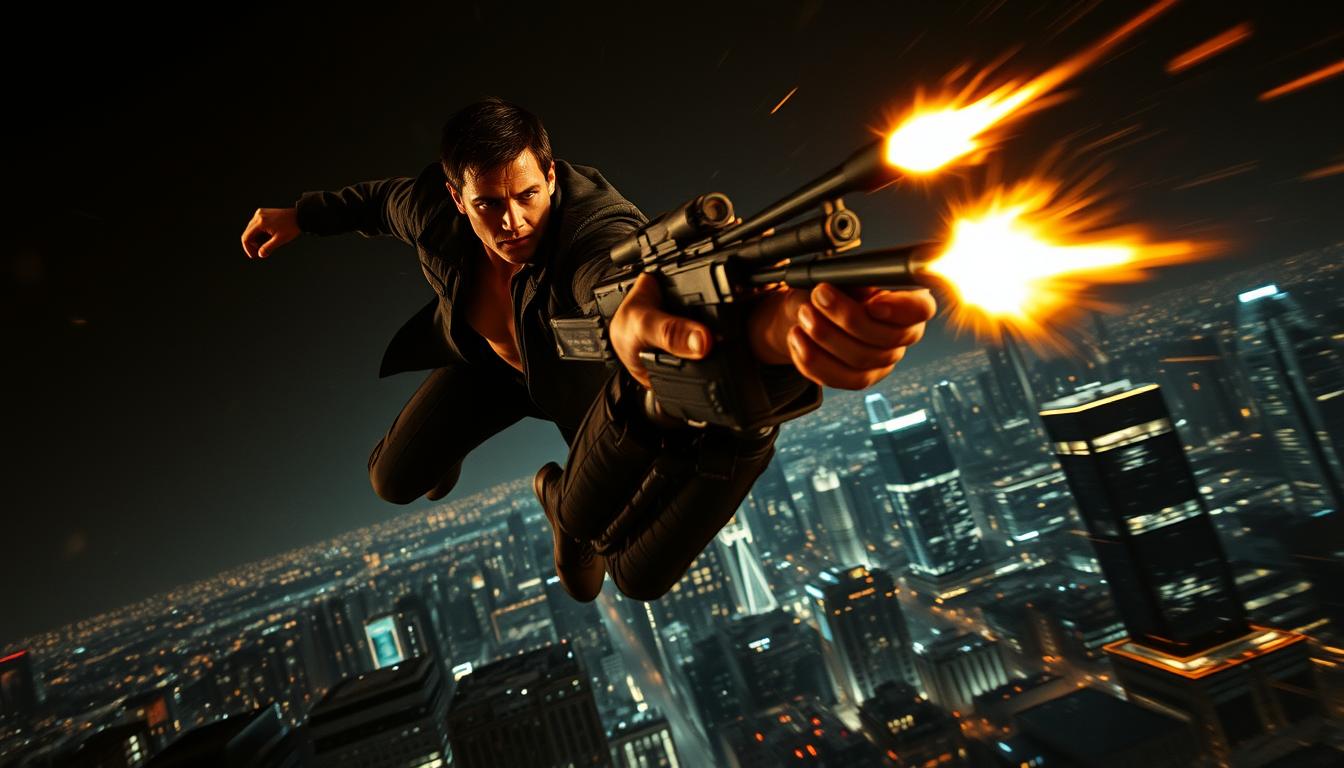
The Vatican heist is a masterclass in tension. Using wirework and precise timing, Tom Cruise scaled walls while dodging lasers—all in a single take. The scene’s urgency mirrors Hunt’s race against time to save his team.
Shanghai’s rooftop leap became franchise lore. Cruise jumped between skyscrapers without CGI, relying on rigs and safety wires. The stunt required 14 attempts, proving his dedication to authentic thrills.
Practical Effects vs. CGI
Only 70 VFX shots were used—a fraction of modern blockbusters. Abrams favored explosions, squibs, and real crashes. The $500k BMW M5 destruction was filmed in one go, capturing raw chaos.
- Maggie Q performed her own martial arts scenes, adding credibility to her agent role.
- Explosive pellet effects used practical squibs for gruesome realism.
- Rome and Shanghai locations provided authentic backdrops, avoiding green-screen artifice.
This approach set a benchmark for later entries. While CGI enhanced scenes like the bridge ambush, the movie’s heart lies in tangible danger—a testament to Abrams’ vision.
Cast and Performances: A Stellar Ensemble
The ensemble cast elevates this installment with unforgettable performances. Each actor brings depth to their roles, balancing high-octane action with emotional resonance. From seasoned veterans to fresh faces, the chemistry is electric.
Tom Cruise as Ethan Hunt: Relentless Heroism
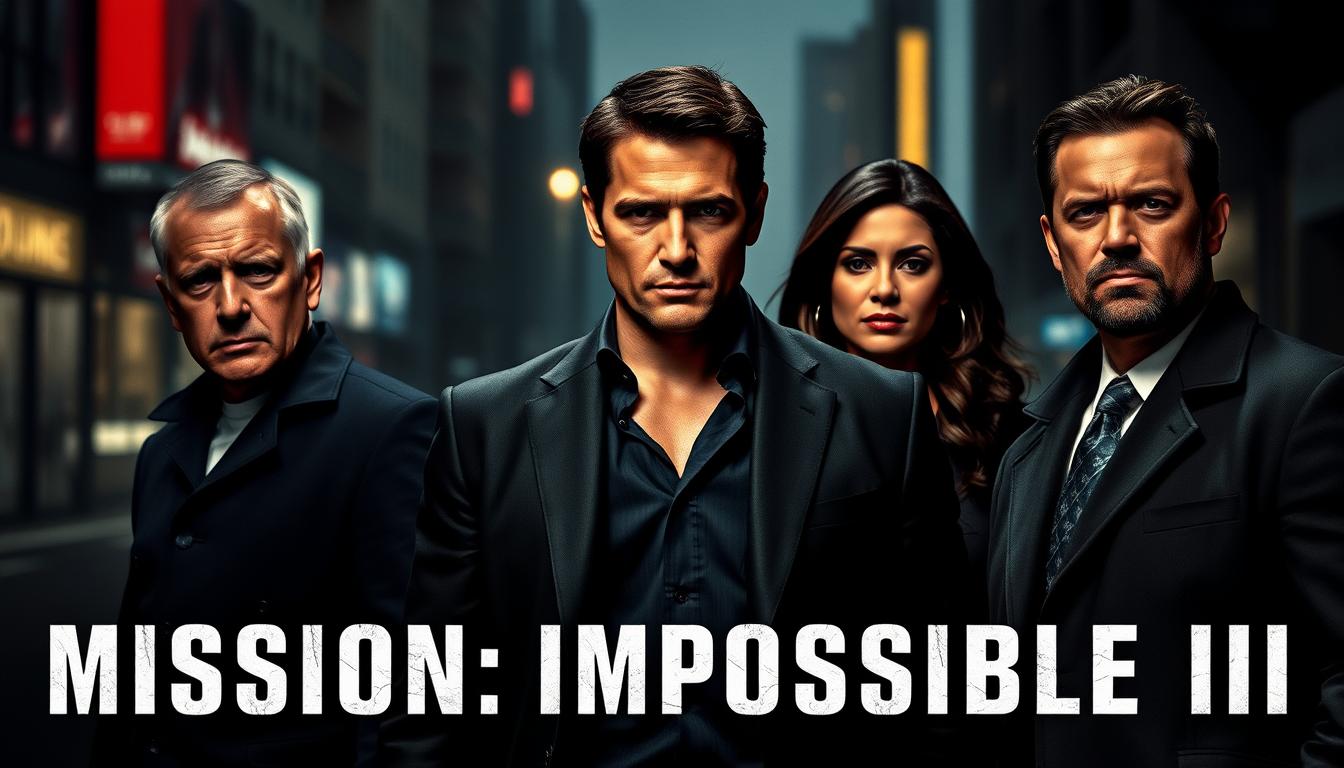
Tom Cruise delivers his most vulnerable portrayal of IMF agent Ethan Hunt yet. His physicality shines in stunt-heavy scenes, but it’s Hunt’s emotional struggle—torn between duty and love—that anchors the film. The defibrillator vision scene reveals layers rarely seen in action heroes.
Philip Seymour Hoffman’s Villainous Brilliance
Hoffman’s Owen Davian redefined franchise villains. With chilling calmness, he weaponizes Hunt’s love for Julia. His line, “You’ll never have a normal life,” lingers as a haunting threat. Few antagonists match his psychological menace.
Supporting Standouts
Ving Rhames returns as Luther, the franchise’s emotional core. His loyalty to Hunt adds warmth amid chaos. Michelle Monaghan makes Julia more than a damsel—her chemistry with Cruise grounds the story.
- Simon Pegg’s debut as tech whiz Benji brings levity, setting up his fan-favorite role.
- Maggie Q’s fierce agent Zhen hinted at her future action-star status.
- Laurence Fishburne’s Brassel serves as a moral counterpoint, questioning Hunt’s methods.
Together, this cast crafts a tapestry of tension, humor, and heart—proving even spies need a stellar team.
Behind the Scenes: Production Challenges
Bringing this high-stakes spy thriller to life required overcoming massive logistical hurdles. The movie filmed across four continents, with each location presenting unique obstacles. From restricted historical sites to dangerous stunts, every day tested the crew’s problem-solving skills.
Directorial Changes
David Fincher initially pitched a darker version before creative differences arose. Joe Carnahan then developed a Cold War-era concept that was ultimately scrapped. J.J. Abrams brought fresh energy, applying his TV-honed pacing to the franchise.
The new director insisted on practical effects whenever possible. This philosophy created unforgettable scenes but demanded meticulous planning. Shanghai’s skyscraper leap alone required:
- 14 takes over three shooting days
- Special permits to close streets below
- Custom rigging to ensure Cruise’s safety
Global Filming Locations
Vatican City granted rare night-shooting access for the infiltration sequence. Crews had just 90 minutes each evening between the last tourist departure and security patrols.
Berlin’s Tempelhof Airport doubled as CIA headquarters, while Virginia’s Chesapeake Bay Bridge hosted the explosive convoy attack. The United States locations provided controlled environments for complex pyrotechnics.
Compared to Mission: Impossible II’s Australia focus, this globe-hopping approach added authenticity. It also created scheduling nightmares when weather or local regulations forced last-minute changes.
Reception and Legacy: Box Office vs. Critique
Audiences and critics had sharply divided reactions to this franchise entry. While some praised its intense action and emotional stakes, others found the plot overly convoluted. The movies‘ shift toward grittier storytelling polarized fans of earlier installments.
Mixed Reviews and Audience Response
Critics highlighted Philip Seymour Hoffman’s chilling villain and Tom Cruise’s stunts but questioned the MacGuffin-driven plot. The United States release saw a 66% Metacritic score—a franchise low at the time. Yet, audiences rewarded its pacing with an “A-” CinemaScore.
Rumors of a South Park-inspired boycott (due to Cruise’s Scientology ties) swirled, though their impact remains debated. Marketing leaned heavily on action, downplaying the character depth that later earned reappraisal.
Lowest Franchise Gross (But Cult Following)
With $134 million domestically, it earned half of Mission: Impossible II’s $215 million. The box office slump was blamed on crowded summer competition and mismatched trailers. Overseas performance salvaged its $398 million global total.
Years later, the series’ fans embraced it as a turning point. Its team dynamics and emotional weight influenced later entries like Ghost Protocol. What initially seemed a misstep became a blueprint for balancing spectacle with heart.
Conclusion: Is Mission: Impossible III Worth Revisiting?
This franchise installment reshaped spy thrillers by blending raw emotion with explosive set pieces. J.J. Abrams’ direction grounded the series in grit, while Philip Seymour Hoffman’s villain set a new standard for menace.
The film thrives on practical stunts—Tom Cruise’s rooftop leap remains jaw-dropping. Unlike CGI-heavy modern action, its tangible chaos pulls you into Hunt’s world.
Ethan’s emotional stakes, especially Julia’s kidnapping, became the franchise’s blueprint. Though box office numbers lagged, its influence on later missions is undeniable.
Verdict: Essential for fans, and a solid entry for newcomers craving heart-pounding thrills with depth.
FAQ
Who directed Mission: Impossible III?
What makes Philip Seymour Hoffman’s villain stand out?
How does this film differ from the first two entries?
Were the stunts practical or CGI-heavy?
Why did the film underperform at the box office?
Which new cast members joined the series?
What’s the "Rabbit’s Foot" mystery?
