
Updates
The Future of TV and Satellite Cable: Trends, Challenges, and Innovations
Aug
The television landscape is undergoing a seismic shift. Traditional satellite and cable TV services that once dominated our living rooms are rapidly evolving in response to streaming platforms, changing consumer preferences, and technological innovations. This transformation is reshaping how we consume content, the business models that deliver it, and the very definition of “television” itself.
As we navigate this changing media ecosystem, understanding the forces driving this evolution becomes essential for consumers making entertainment choices and industry stakeholders plotting their next moves. From cord-cutting trends to emerging technologies like 5G and AI-driven content recommendations, the future of TV and satellite cable is being written in real-time.
The Evolution of TV: From Cable Dominance to Streaming Revolution
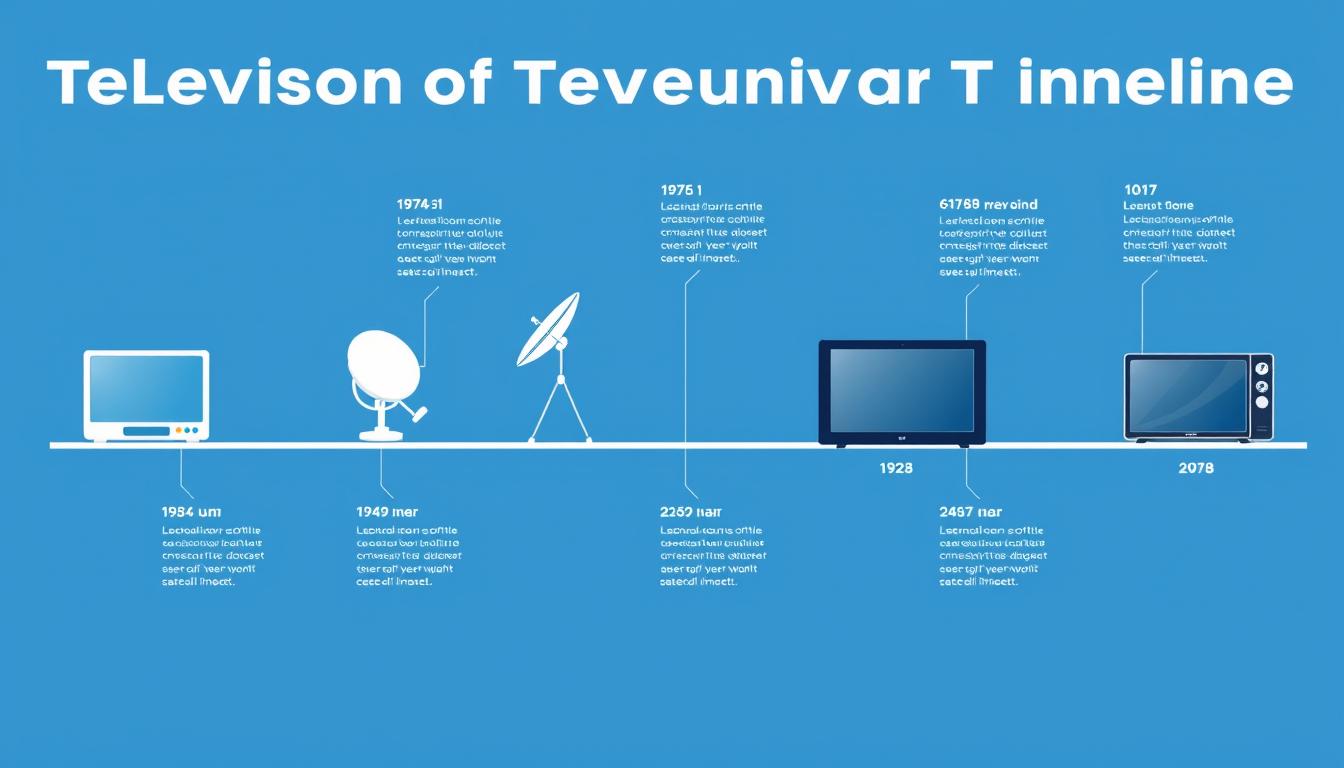
The evolution of television entertainment from traditional broadcast to today’s multi-platform ecosystem
The television industry has undergone remarkable transformation since its inception. What began as a handful of broadcast channels evolved into expansive cable packages with hundreds of options, and now we’re witnessing another revolution with digital streaming platforms.
The Traditional Model: Cable and Satellite TV
For decades, cable and satellite providers dominated the television landscape with their bundled channel packages. This model offered consumers access to a wide variety of content through a single subscription, but often included many channels viewers rarely watched.

Key characteristics of the traditional model included:
- Long-term contracts with early termination fees
- Equipment rental or purchase requirements
- Scheduled programming with limited on-demand options
- Bundled packages with many unwanted channels
- Regular price increases after promotional periods
The Rise of Streaming Dominance
The introduction of streaming services fundamentally changed how consumers access content. Beginning with Netflix’s transition from DVD rentals to online streaming in 2007, the industry has seen explosive growth in over-the-top (OTT) platforms that deliver content directly to viewers via the internet.
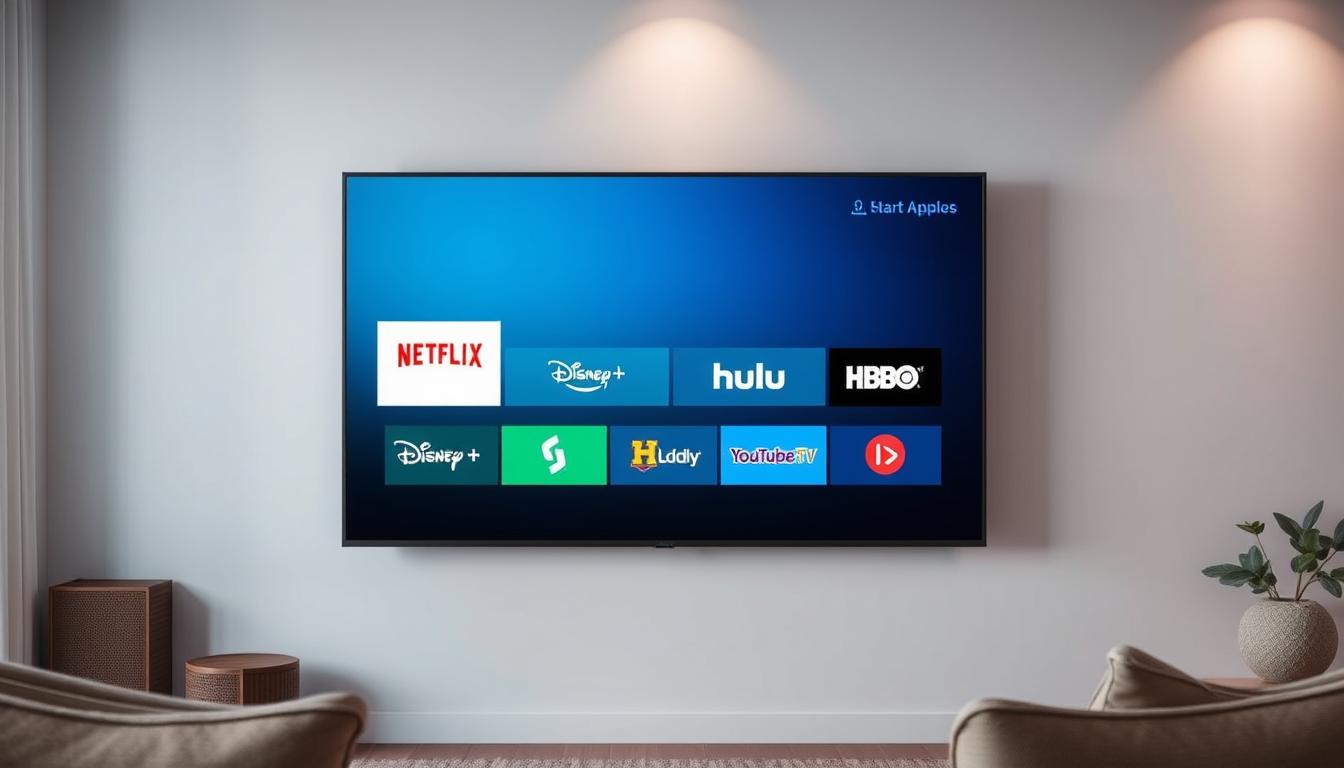
Today’s streaming landscape features multiple major players:
Subscription Video on Demand (SVOD)
Services like Netflix, Disney+, and HBO Max offer ad-free content for a monthly fee, focusing on exclusive original programming and extensive content libraries.
Ad-Supported Video on Demand (AVOD)
Platforms like Peacock, Tubi, and ad-supported tiers of Hulu provide free or reduced-cost access to content in exchange for viewing advertisements.
Virtual MVPDs
Services such as YouTube TV, Sling TV, and fuboTV offer live TV channels over the internet, replicating traditional cable packages without long-term contracts.
This shift to streaming has accelerated the decline of traditional cable TV subscriptions, with major providers losing millions of subscribers annually. According to industry data, cable TV subscriptions in the US have declined by over 25% since 2012, while streaming service adoption continues to grow exponentially.
Emerging Technologies Reshaping the Industry
The future of TV and satellite cable is being dramatically influenced by technological innovations that are changing how content is delivered, discovered, and experienced. These advancements are creating new opportunities for both traditional providers and disruptive newcomers.
5G and Enhanced Connectivity
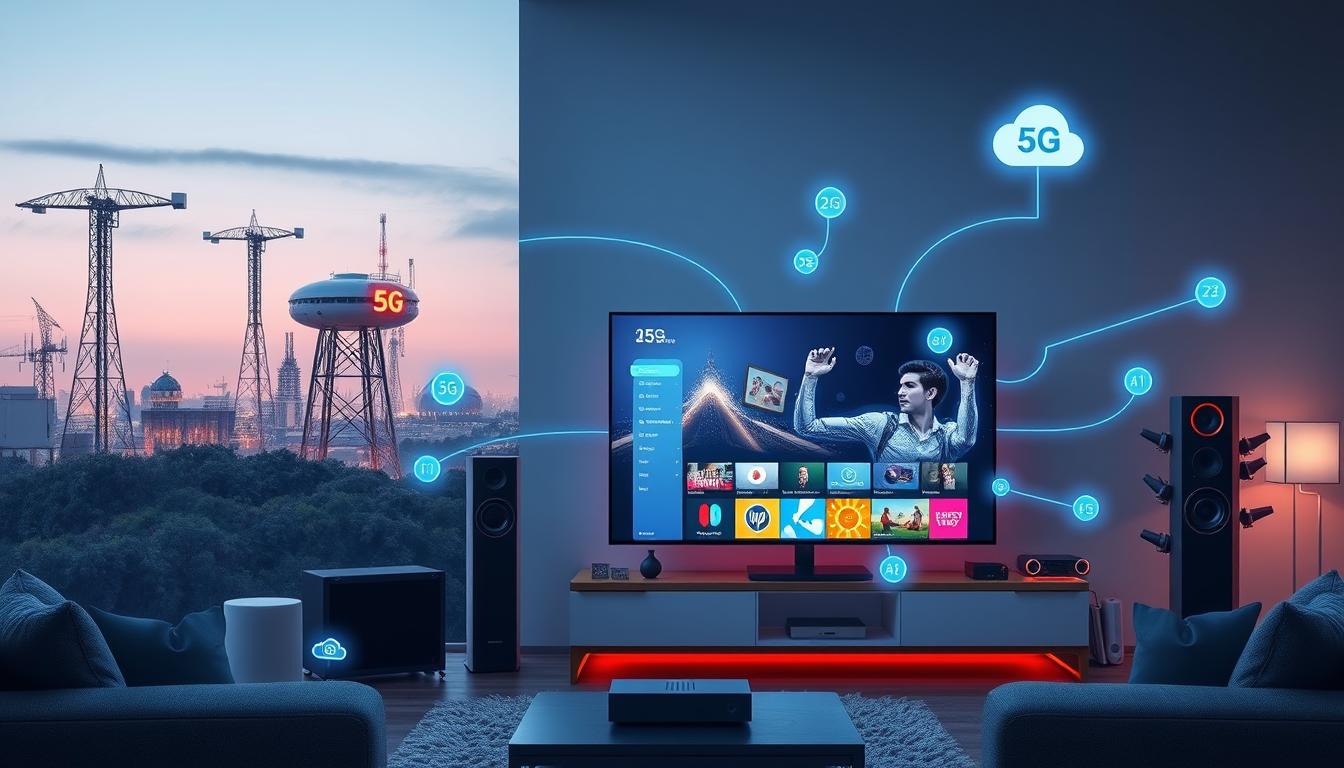
The rollout of 5G networks is set to revolutionize content delivery with speeds up to 100 times faster than 4G. This technology enables:
- Higher quality streaming (4K, 8K) without buffering
- Lower latency for live content and interactive experiences
- Mobile TV viewing without quality compromises
- Potential for wireless home broadband that rivals fiber connections
Companies like Starlink, SpaceX’s satellite internet service, are also working to provide high-speed internet to remote areas, potentially expanding the reach of streaming services to previously underserved markets.
AI-Driven Personalization
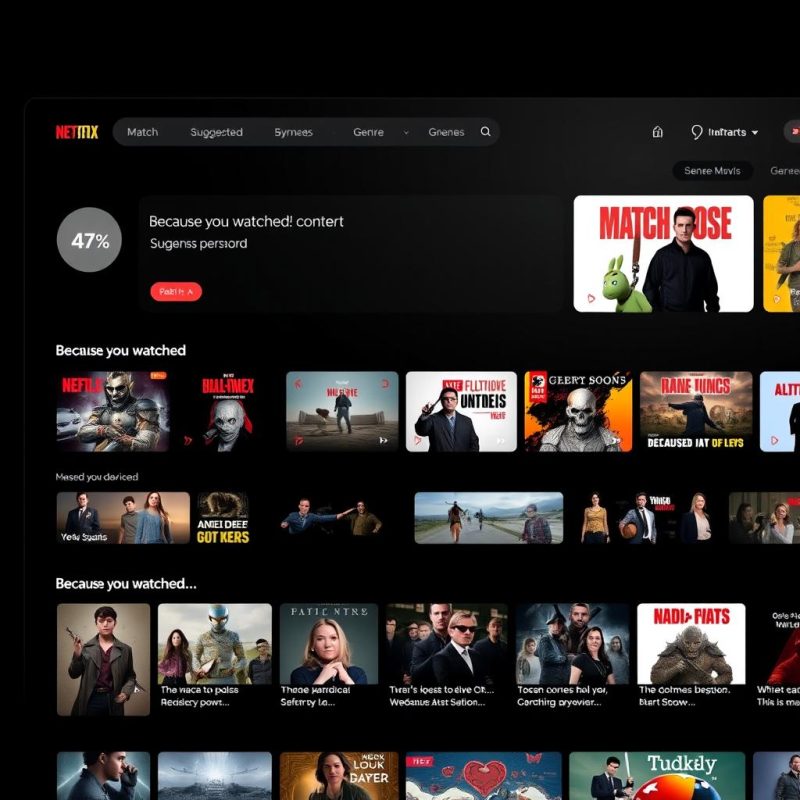
Artificial intelligence is transforming content discovery and recommendations. Streaming platforms now employ sophisticated algorithms that analyze viewing habits to suggest relevant content, creating a highly personalized experience that traditional TV cannot match.
Netflix reports that over 80% of content watched on their platform comes from their recommendation system, demonstrating the power of these AI-driven tools in shaping viewing habits.
Hybrid TV Models and IPTV
Internet Protocol Television (IPTV) delivers television content over internet protocol networks rather than through traditional satellite or cable formats. This technology is enabling the development of hybrid models that combine elements of traditional TV with streaming flexibility.
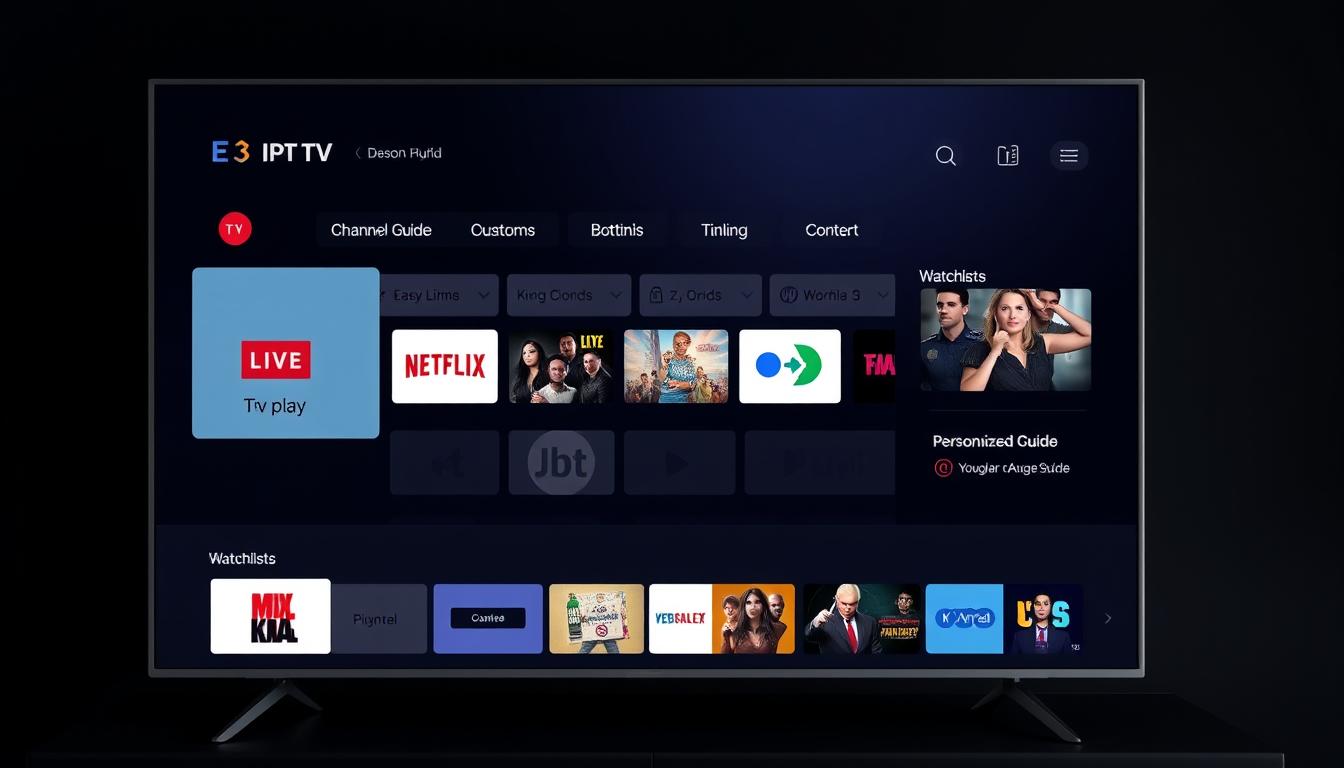
Examples of these hybrid approaches include:
- Cable providers offering their own streaming apps (Xfinity Stream, Spectrum TV)
- Integration of streaming apps directly into cable boxes
- IPTV services that deliver traditional channels over internet connections
- Smart TVs with built-in streaming capabilities and traditional tuners
Stay Ahead of TV Technology Trends
Want to learn more about how emerging technologies are changing the television landscape? Subscribe to our newsletter for the latest updates on TV innovations and consumer options.
Changing Viewer Preferences Across Generations
Consumer behavior is driving much of the transformation in the TV industry, with different generations showing distinct preferences in how they consume content.

The Cord-Cutting Phenomenon
The practice of “cord-cutting” – canceling traditional pay-TV subscriptions in favor of streaming alternatives – continues to accelerate. In 2023, the rate of cord-cutting reached new heights with major providers losing subscribers at unprecedented rates.
Content Personalization and On-Demand Viewing
Today’s viewers increasingly expect personalized content experiences and the freedom to watch on their own schedule. This shift from appointment viewing to on-demand consumption represents a fundamental change in how audiences engage with television content.
Key trends in viewer preferences include:
- Binge-watching entire seasons rather than weekly episodes
- Multi-device viewing across TVs, tablets, phones, and computers
- Content discovery through recommendations rather than channel surfing
- Preference for ad-free or limited-ad experiences
- Growing interest in interactive and immersive content
Generational Differences in Viewing Habits
| Generation | Preferred Devices | Content Preferences | Viewing Patterns |
| Baby Boomers | Traditional TV sets | News, documentaries, classic shows | Scheduled viewing, channel loyalty |
| Generation X | TV sets, laptops | Sports, dramas, reality TV | Mix of scheduled and on-demand |
| Millennials | Smart TVs, tablets, laptops | Original series, international content | Primarily on-demand, binge-watching |
| Generation Z | Smartphones, tablets | Short-form content, user-generated videos | Mobile viewing, platform-hopping |
Understanding these generational differences is crucial for content providers and advertisers looking to reach specific demographic groups effectively. As younger generations mature, their viewing habits are likely to shape the future of TV and satellite cable services for decades to come.
Challenges Facing Traditional Providers
Cable and satellite providers are confronting numerous obstacles as they navigate the changing media landscape. These challenges are forcing traditional companies to rethink their business models and value propositions.

High Costs and Infrastructure Limitations
Traditional Cable/Satellite Strengths
- Established infrastructure reaching millions of homes
- Reliable service even during internet outages
- Access to local channels and live sports
- Familiar interface and channel lineup
- Bundle discounts with internet and phone services
Traditional Cable/Satellite Challenges
- High monthly subscription costs
- Equipment rental and installation fees
- Long-term contracts with penalties
- Aging infrastructure requiring maintenance
- Limited flexibility in channel selection
The cost structure of traditional TV services has become increasingly problematic as consumers compare them to streaming alternatives. A typical cable package can cost $85-120 per month, while individual streaming services range from $5-15, allowing consumers to customize their content selection at a potentially lower total cost.
Content Rights and Carriage Disputes
The battle for content rights has intensified as streaming platforms compete with traditional providers for exclusive programming. Sports content, in particular, has become a battleground with streaming services like Amazon Prime Video securing exclusive rights to major events like NFL Thursday Night Football.
Carriage disputes between content providers and distributors have also become more common and contentious, often resulting in channel blackouts that frustrate subscribers and accelerate cord-cutting. These disputes highlight the tension in the traditional TV business model as both sides struggle to maintain profitability in a changing landscape.
Adapting to Changing Consumer Expectations
Perhaps the greatest challenge for traditional providers is meeting the evolving expectations of consumers who have grown accustomed to the flexibility, personalization, and user experience of streaming platforms.
“The linear (broadcast + cable) share of total TV viewing has dipped below 50% for the first time, while overall video content consumption continues to grow. This fundamental shift in viewing habits requires traditional providers to reimagine their offerings.”
To remain competitive, many traditional providers are developing their own streaming options, forming partnerships with existing platforms, or creating hybrid offerings that combine elements of both models. For example, Comcast’s Xfinity offers integration with Netflix and other streaming services directly through their X1 platform.
Predicting the Future: Where TV is Heading
As we look ahead, several key trends are likely to shape the future of TV and satellite cable services. These developments will create both challenges and opportunities for industry players and consumers alike.
Integration of AR/VR and Immersive Experiences
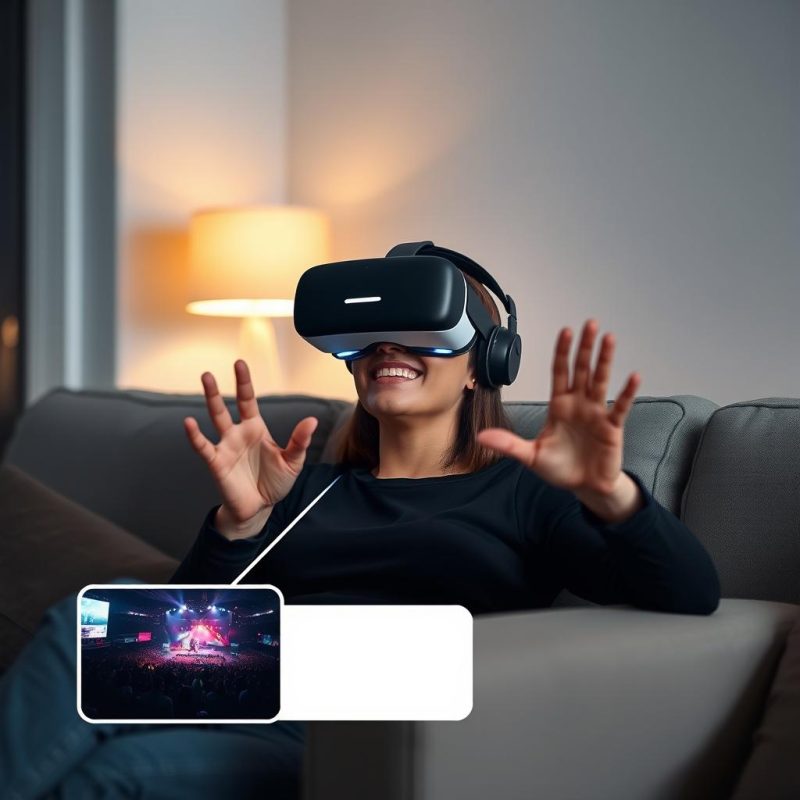
Augmented and virtual reality technologies are poised to transform how we consume television content. Major companies like Meta (formerly Facebook) and Apple are investing heavily in these technologies, which could eventually blur the line between traditional viewing and immersive experiences.
Potential applications include:
- Virtual viewing parties with friends in shared digital spaces
- Interactive storytelling where viewers influence the narrative
- Augmented sports viewing with real-time statistics and alternative angles
- Virtual attendance at live events from the comfort of home
Smart Home Ecosystem Integration
Television is increasingly becoming the hub of the connected home, with smart TVs serving as control centers for various devices and services. This integration creates opportunities for enhanced viewing experiences and new functionalities.
Examples of this integration include:
- Voice-controlled content discovery across multiple platforms
- Synchronized lighting and sound systems that enhance viewing
- Picture-in-picture notifications from smart home devices
- Contextual content recommendations based on time of day or activities
Global Market Shifts and Content Globalization
The television industry is becoming increasingly global, with content crossing borders more easily than ever before. International hits like “Squid Game” (South Korea) and “Money Heist” (Spain) have demonstrated the potential for content to find worldwide audiences through streaming platforms.
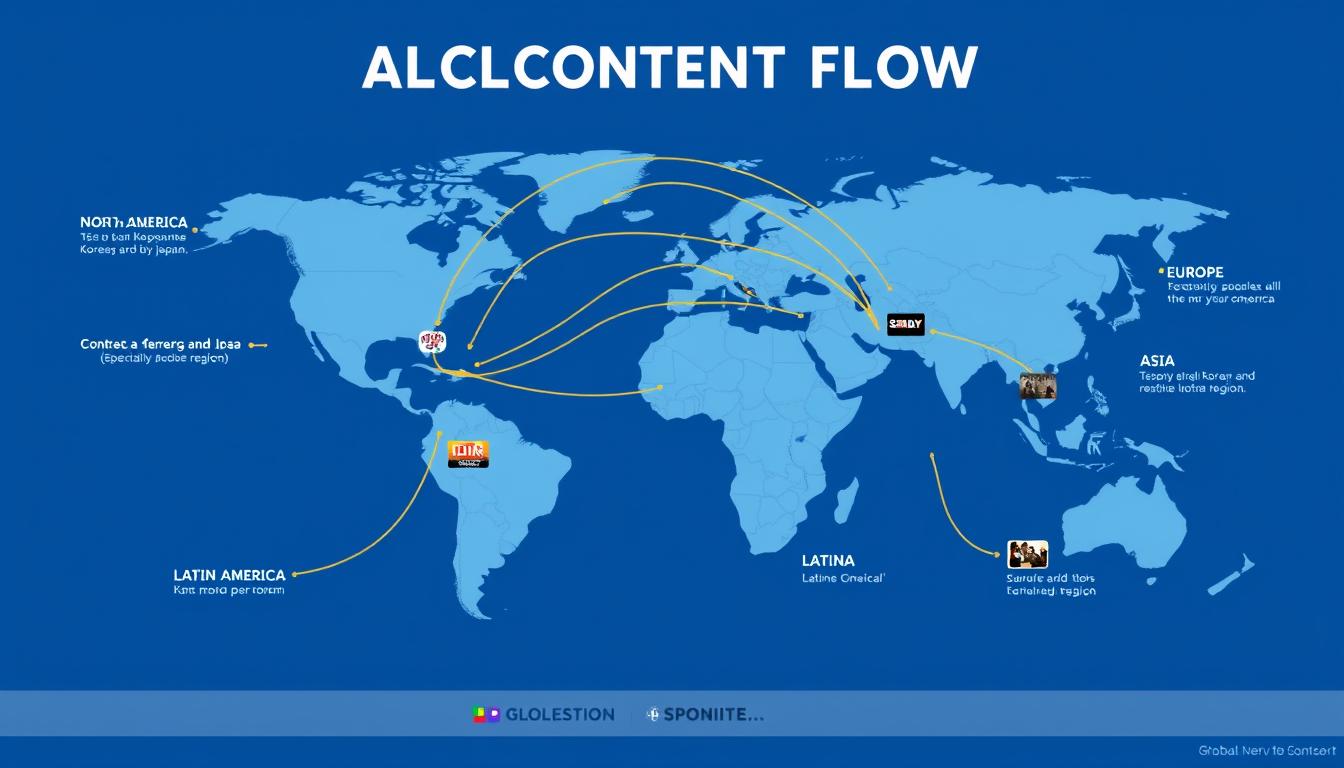
This globalization is likely to continue, with implications including:
- Increased investment in international content by major platforms
- Growth of localized streaming services in emerging markets
- More partnerships between global and regional content producers
- Greater diversity in storytelling perspectives and formats
Bundling 2.0: The Return of Packages
As consumers face “subscription fatigue” from managing multiple streaming services, we’re seeing the emergence of new bundling strategies that echo the cable packages of the past, but with greater flexibility and integration.
“The first ‘mega’ OTT bundle that combines enough platforms at an attractive price point could spark an accelerated subscriber exodus from linear plans. This trend is already on the rise, with telecom providers offering bundles that combine multiple streaming services.”
Examples of this new bundling approach include:
- Disney’s bundle of Disney+, Hulu, and ESPN+
- Amazon’s Prime Video Channels, which allows subscription to additional services
- Apple’s bundling of Apple TV+ with other Apple services
- Telecom companies offering streaming services as part of mobile plans
Find Your Ideal TV & Streaming Setup
Not sure which combination of services best fits your viewing habits and budget? Use our interactive comparison tool to discover the perfect TV solution for your household.
Real-World Examples: Innovation in Action
Several companies are leading the way in reshaping the television landscape through innovative approaches to content delivery, technology integration, and business models.
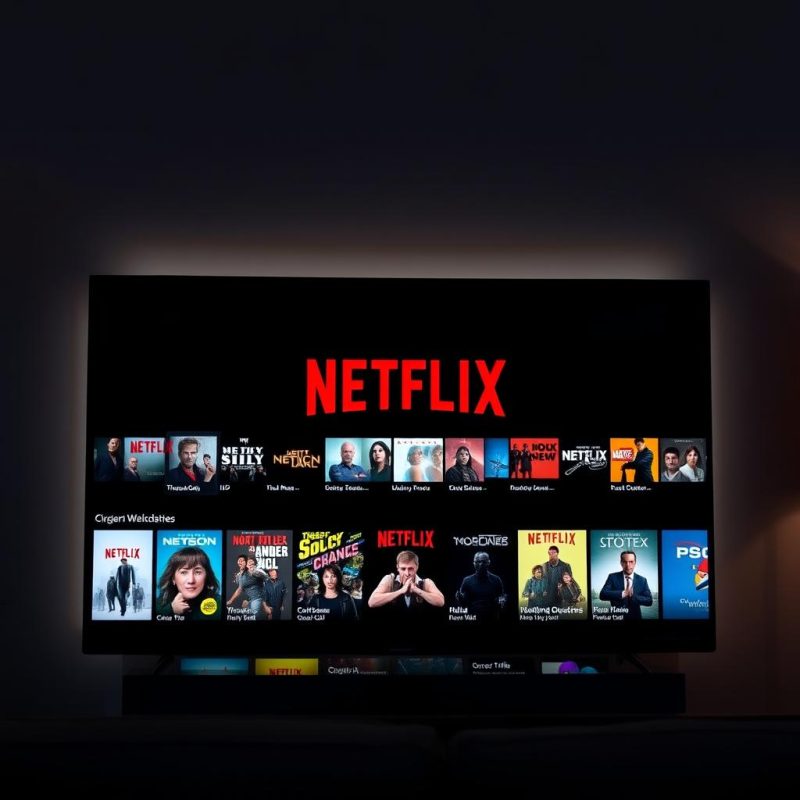
Netflix: Pioneering Content Personalization
Netflix has revolutionized content discovery through its sophisticated recommendation algorithm, which analyzes viewing patterns to suggest relevant content. The company invests heavily in original programming, spending over $17 billion annually on content creation.
Their data-driven approach extends to content development, with viewing metrics informing decisions about new shows and renewals. This strategy has resulted in highly targeted programming that caters to specific audience segments.

Starlink: Expanding Access to Streaming
SpaceX’s Starlink satellite internet service is addressing one of the major barriers to streaming adoption: reliable high-speed internet in rural and underserved areas. By deploying thousands of low-Earth orbit satellites, Starlink provides broadband internet with lower latency than traditional satellite services.
This technology has the potential to dramatically expand the addressable market for streaming services by connecting millions of households that previously lacked adequate internet infrastructure for video streaming.
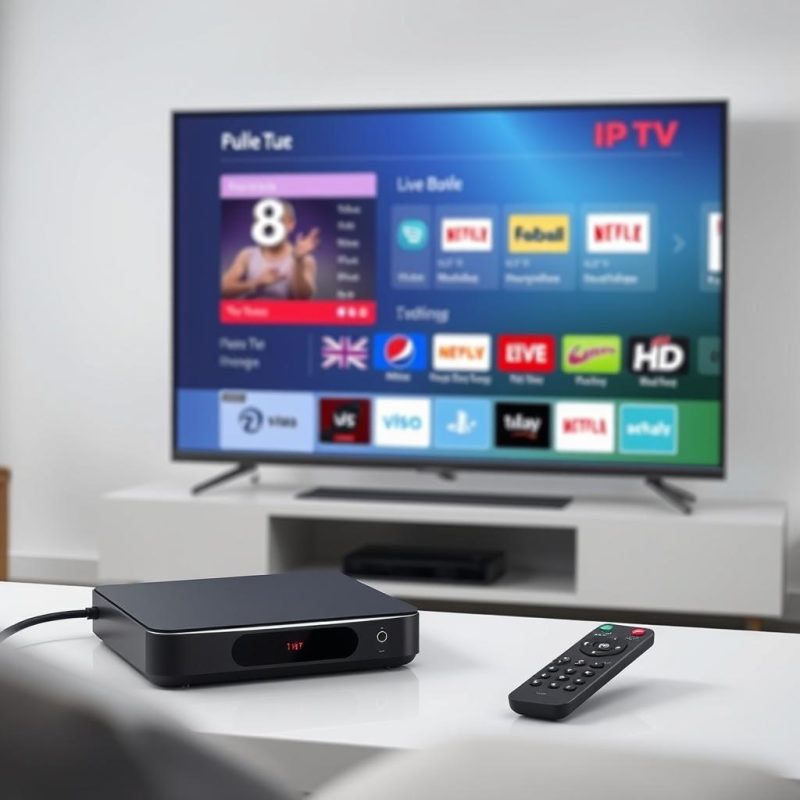
IPTV Adoption: Bridging Old and New
Internet Protocol Television (IPTV) represents a technological bridge between traditional TV and streaming. Services like YouTube TV and Hulu + Live TV deliver traditional channels over internet connections, eliminating the need for satellite dishes or cable infrastructure.
Traditional providers are also embracing IPTV technology, with companies like Comcast and AT&T developing their own IPTV platforms that combine linear channels with on-demand content and third-party streaming integration.
Disney’s Multi-Platform Strategy
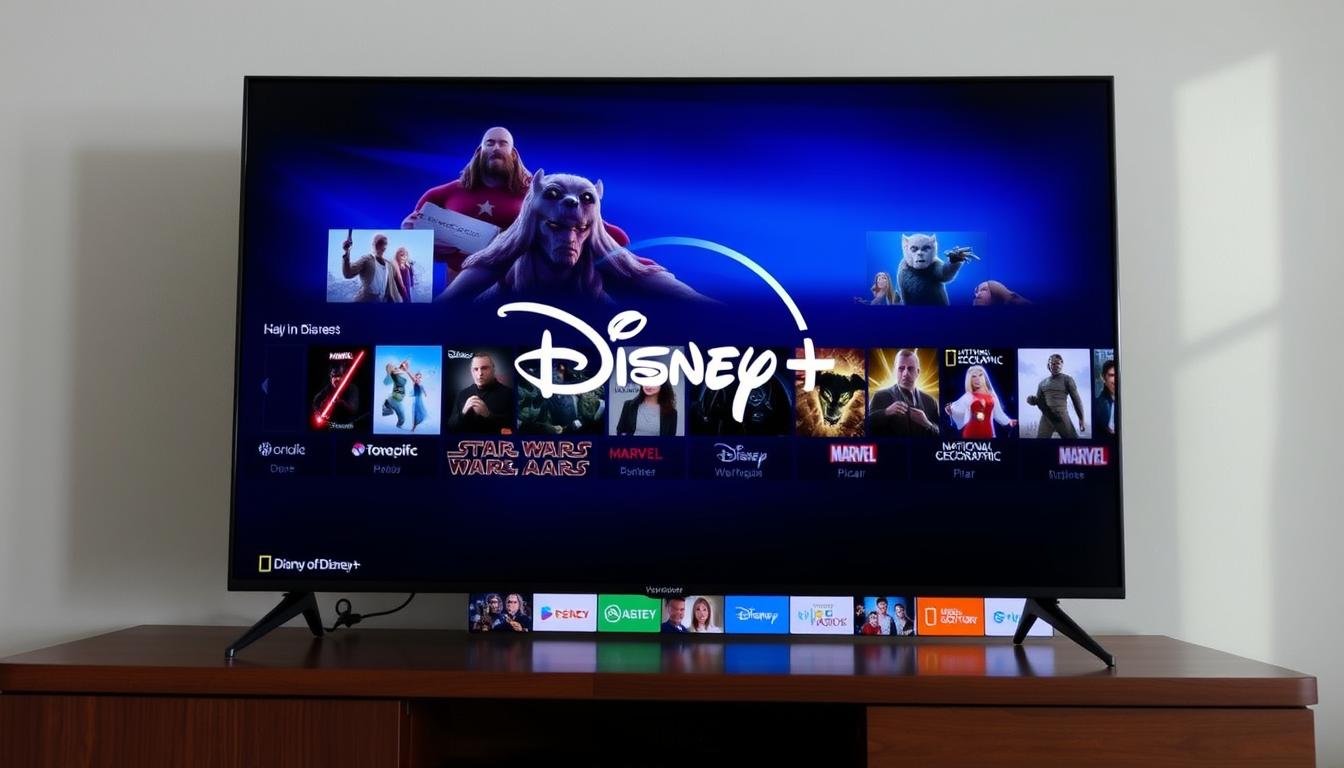
Disney has embraced a comprehensive approach to the changing media landscape by developing a portfolio of streaming services while maintaining its traditional TV networks. The company’s strategy includes:
- Disney+ for family-friendly content and major franchises
- Hulu for general entertainment and more adult-oriented programming
- ESPN+ for sports content, complementing the linear ESPN channels
- Bundle options that combine these services at a discount
- International expansion through Star and Disney+ Hotstar
This multi-platform approach allows Disney to serve different audience segments while creating synergies between their various content offerings.
Consumer Guide: Navigating Your TV Options
With so many choices available, consumers face increasingly complex decisions about their television services. Here’s a practical guide to help navigate the options and find the right combination for your needs.

Assessing Your Viewing Habits
Before making any decisions, take time to understand your household’s viewing preferences:
- What types of content do you watch most frequently?
- How important is live programming, especially sports and news?
- On which devices do you prefer to watch content?
- How many people will be using the service simultaneously?
- What is your monthly budget for entertainment?
Comparing Service Types
| Service Type | Pros | Cons | Best For |
| Traditional Cable/Satellite | Reliable service, local channels, live sports, familiar interface | Higher cost, contracts, equipment fees, less flexibility | Sports fans, news watchers, households with varied interests |
| SVOD (Netflix, Disney+) | No ads, original content, on-demand viewing, lower cost | Limited live content, requires internet, content libraries change | Binge-watchers, movie fans, budget-conscious viewers |
| vMVPDs (YouTube TV, Sling) | Live channels, cloud DVR, no contracts, multi-device access | Higher cost than SVOD, internet dependent, potential lag | Cord-cutters who still want live TV, sports fans |
| AVOD (Tubi, Pluto TV) | Free or low cost, growing content libraries, no commitment | Ad interruptions, limited premium content, fewer originals | Budget viewers, casual watchers, supplemental viewing |
Creating Your Optimal Mix
Many households are finding that a combination of services provides the best experience. Consider these popular combinations:
Budget Viewer
- Internet service with adequate speed for streaming
- One premium SVOD service (rotating subscriptions)
- Free AVOD platforms for supplemental content
- Digital antenna for local channels
Approximate monthly cost: $50-70
Balanced Approach
- High-speed internet service
- Virtual MVPD for live channels
- 2-3 SVOD services based on preferences
- Smart TV or streaming device
Approximate monthly cost: $100-130
Premium Experience
- High-speed fiber internet
- Traditional cable/satellite or premium vMVPD
- Multiple SVOD services with premium tiers
- Advanced home theater setup
Approximate monthly cost: $150-200+
Pro Tip: Consider rotating subscriptions to different streaming services throughout the year rather than maintaining all subscriptions simultaneously. This approach can significantly reduce costs while still providing access to a wide variety of content.
Conclusion: Embracing the New Television Era
The future of TV and satellite cable is being shaped by technological innovation, changing consumer preferences, and evolving business models. While traditional providers face significant challenges, they also have opportunities to reinvent themselves and deliver new value to consumers.

Key takeaways for consumers:
- Assess your viewing habits and preferences before making decisions about TV services
- Consider combining different service types to create a personalized entertainment package
- Stay informed about new technologies and offerings that may enhance your viewing experience
- Regularly review your subscriptions to ensure you’re getting value from each service
- Be open to experimenting with new platforms and content sources
For industry stakeholders, success in this new era will require:
- Embracing technological innovation rather than resisting change
- Developing flexible business models that respond to consumer preferences
- Creating seamless experiences across different content types and platforms
- Finding sustainable pricing strategies that deliver value to consumers
- Investing in content discovery tools that help viewers navigate abundant choices
The television landscape will continue to evolve, but one thing remains constant: the human desire for compelling stories and shared experiences. The providers who best understand and serve this fundamental need will thrive in the future of TV, regardless of how that content is delivered.
Stay Informed About TV Technology
The television industry is changing rapidly. Subscribe to our newsletter to receive updates on new services, technologies, and strategies for optimizing your viewing experience.
Frequently Asked Questions
Is traditional cable TV going to disappear completely?
While traditional cable TV is declining, it’s unlikely to disappear entirely in the near future. Instead, we’re seeing a transformation where cable providers are adapting by offering their own streaming services and integrating with popular platforms. The industry is moving toward a hybrid model that combines elements of traditional TV with streaming flexibility. Rural areas with limited internet infrastructure will likely maintain cable and satellite services longer than urban centers.
How can I determine which streaming services are right for me?
Start by analyzing your viewing habits: What shows and movies do you watch most frequently? How important is live TV, especially sports and news? Consider your budget and how many services you can reasonably afford. Many streaming services offer free trials, which allow you to test their content libraries and interfaces before committing. Tools like JustWatch.com can help you identify which services carry your favorite programs. Remember that you can rotate subscriptions throughout the year rather than maintaining all of them simultaneously.
Will 5G technology replace home internet for streaming?
5G has the potential to become an alternative to traditional home internet for some households, particularly in areas where fiber or cable internet isn’t available. However, current 5G home internet services often come with data caps or throttling that can limit heavy streaming usage. For most households, especially those with multiple users streaming simultaneously, traditional broadband will likely remain the preferred option for the foreseeable future. That said, 5G technology will continue to improve and may eventually become a more viable alternative for home streaming.
How will AR and VR change the television experience?
Augmented and virtual reality technologies have the potential to transform passive viewing into immersive, interactive experiences. We’re already seeing early applications with sports broadcasts that allow viewers to change camera angles or access real-time statistics. In the future, AR/VR could enable social viewing experiences where friends in different locations can watch together in virtual spaces, interactive storytelling where viewers influence the narrative, and immersive content that blurs the line between watching and participating. However, widespread adoption will depend on making the technology more affordable, comfortable, and user-friendly.
