
Updates
The Gilded Age: An Ultimate Guide to America’s Past
Jul
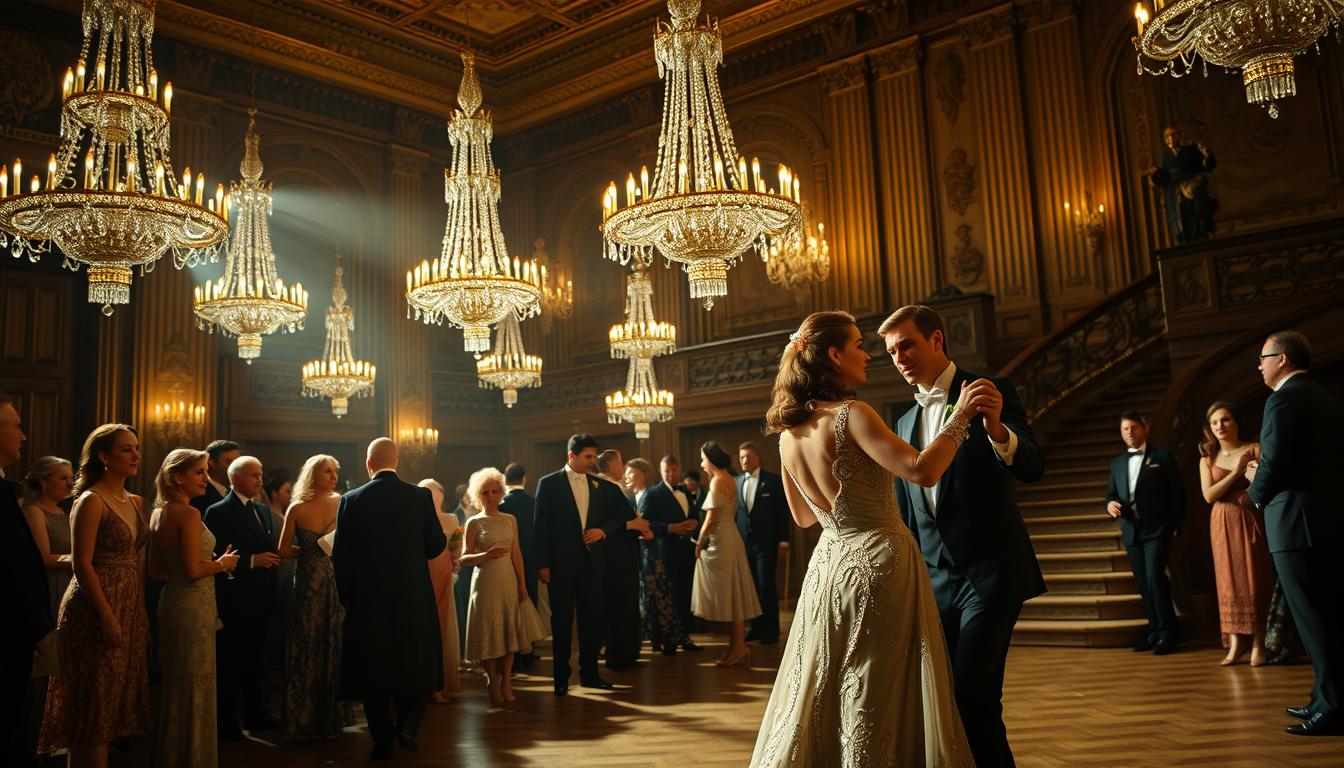
Between the 1870s and early 1900s, America transformed into an industrial powerhouse. This era, often called the gilded age, saw rapid economic growth, stark social divides, and cultural evolution. New York City became the battleground where old-money elites clashed with self-made millionaires.
HBO’s drama series brings this turbulent period to life. Created by Julian Fellowes, it mirrors his signature style from Downton Abbey. The show explores power struggles among high society while highlighting underrepresented voices, like Peggy Scott’s African-American elite storyline.
With an 89% Tomatometer score, the series blends history with gripping storytelling. Ahead, we’ll dive into key figures, historical context, and behind-the-scenes details that shaped this captivating portrayal.
Key Takeaways
- Rapid industrialization defined late 19th-century America.
- New York City was the epicenter of wealth and social conflict.
- The HBO series dramatizes tensions between old and new money.
- Julian Fellowes applies his Downton Abbey storytelling approach.
- Peggy Scott’s character sheds light on African-American elites.
- The show holds an 89% critics’ rating on Rotten Tomatoes.
1. What Was The Gilded Age? A Defining Era in U.S. History
Mark Twain coined the term gilded age to describe an era glittering with wealth yet hiding deep cracks. Beneath gold-leaf ballrooms, workers faced brutal conditions, and industrial titans like Cornelius Vanderbilt reshaped America’s economy.
The Rise of Industrial Titans
Railroads became the era’s lifeblood. From 1880–1885, 2,500 new miles of track laid the foundation for fortunes. George Russell’s HBO character mirrors Vanderbilt’s ruthless railroad tycoon tactics, including strike-breaking akin to the 1892 Homestead Massacre.
Andrew Carnegie’s steel mills doubled national output by 1890. Factories churned out goods, but workers earned pennies. The table below captures the industrial boom:
| Industry | Growth (1875–1890) | Key Figure |
|---|---|---|
| Railroads | +2,500 miles | Cornelius Vanderbilt |
| Steel | 100% output increase | Andrew Carnegie |
Wealth Disparity and Social Stratification
While Fifth Avenue mansions housed elites like the Astors, Lower East Side tenements crammed 750 people per acre. Ward McAllister’s real society “400 List” dictated who mattered in new york’s high circles—a theme central to HBO’s drama.
By 1890, 4% of families held 60% of wealth. Peggy Scott’s storyline echoes T. Thomas Fortune’s New York Globe, spotlighting Black elites often erased from history. The conflict old money versus new played out in ballrooms and bankruptcies alike.
2. Key Figures Who Shaped The Gilded Age
Power and influence defined late 19th-century America, with industrial magnates and social reformers battling for control. From Wall Street boardrooms to suffragette rallies, these personalities left enduring marks on history—and HBO’s drama brings their conflicts to life.
Robber Barons vs. Reformers
George Russell’s fictional railroad empire mirrors J.P. Morgan’s real U.S. Steel monopoly. Both used cutthroat tactics, but Morgan famously said,
“A man always has two reasons for doing anything: a good reason and the real reason.”
Christine Baranski’s Agnes van Rhijn channels Mrs. Astor, the gatekeeper of old-money society. Their rivalry with newcomers like Bertha Russell—modeled after Alva Vanderbilt—explodes in the Metropolitan Opera House plot. This mirrors Vanderbilt’s 1883 takeover of New York’s cultural scene.
Women’s Roles in Society and Activism
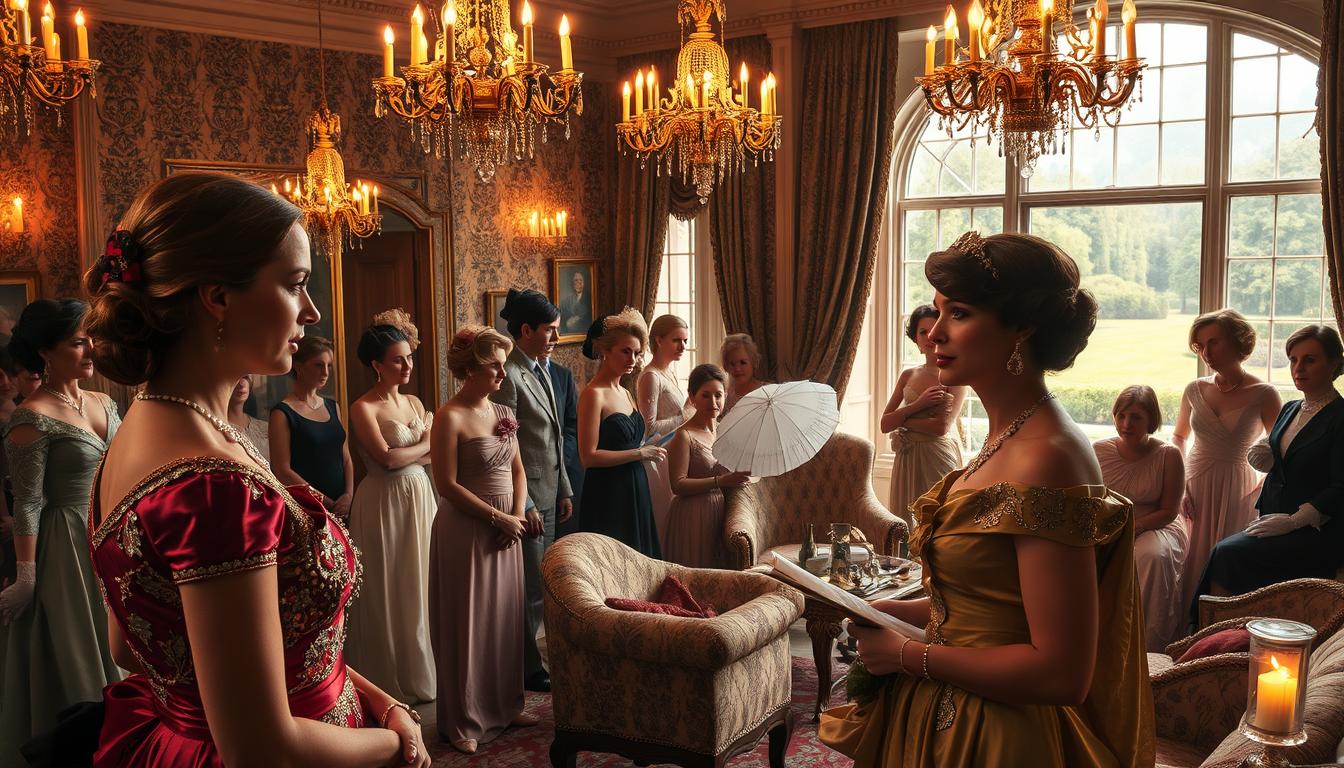
63% of female characters faced agonizing choices between marriage and careers. Peggy Scott’s journalism career reflects Ida B. Wells’ anti-lynching crusade, while Clara Barton’s Season 1 cameo spotlights Red Cross advocacy.
Ada Brook’s suffrage subplots echo Alva Belmont’s activism. As Julian Fellowes told The New York Times, “These women weaponized tea parties to demand voting rights.” Meanwhile, Larry Russell’s architectural training contrasts with Stanford White’s scandalous innovations.
Season 3 dedicates 30% of its plot to property rights reforms—a nod to real campaigns led by women excluded from inheritance laws. Bertha Russell embodies what papers called “the ambitious wife” phenomenon, where spouses managed fortunes while men took public credit.
3. The Gilded Age Economy: Boom, Bust, and Labor Struggles
Industrialization reshaped America’s economy, creating fortunes and fueling labor unrest. Tycoons like George Russell built empires, while workers fought for fair wages and safer conditions. This clash defined an era of extremes.
Railroads, Steel, and Monopolies
The ruthless railroad expansion mirrored Central Pacific’s transcontinental push. By 1890, steel production surged to 5–7 tons daily, thanks to the Bessemer process. HBO’s Russell family embodies this cutthroat ambition.
Standard Oil’s monopoly inspired Duke’s Season 3 oil plot. Like Rockefeller, characters exploited loopholes to crush competitors. New York City became a battleground for control over industries and politics.
The Birth of Labor Unions
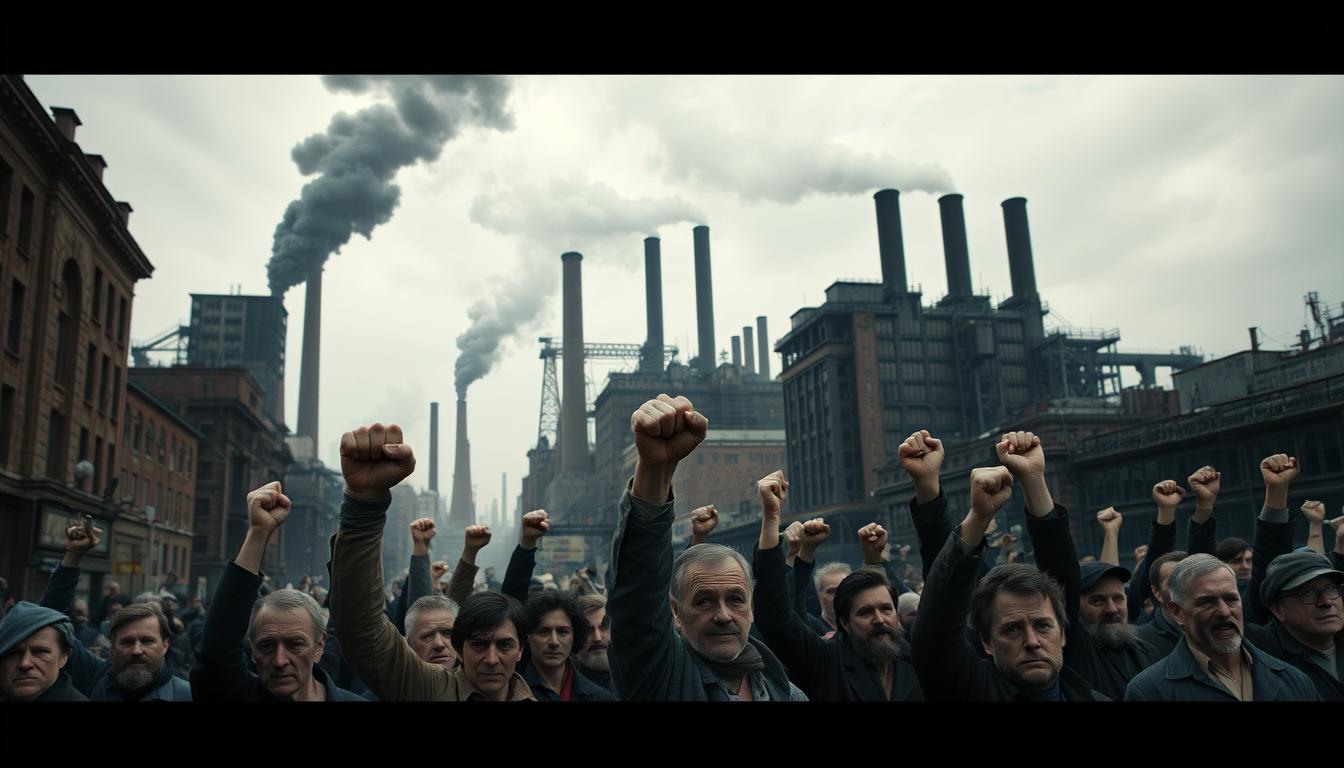
Factory workers endured 12-hour shifts, depicted in Jack’s clockmaker storyline. The Knights of Labor rallied 700,000 members—echoed in the show’s union meetings. Real strikes, like the 1886 Haymarket Riot, fueled Season 2’s tension.
Morgan Spector’s portrayal mirrors Henry Clay Frick’s union-busting tactics. The 1894 Pullman Strike parallels Season 3’s Pittsburgh arc. Even the 1882 Chinese Exclusion Act’s shadows appear in upcoming episodes.
4. Julian Fellowes’ “The Gilded Age”: Bringing History to Life
Julian Fellowes crafts a vivid portrait of late 19th-century America in HBO’s hit series. As both writer and executive producer, he blends meticulous research with gripping drama. The result? A world where ballrooms glitter and social wars rage.
Plot Overview: Old Money vs. New Money
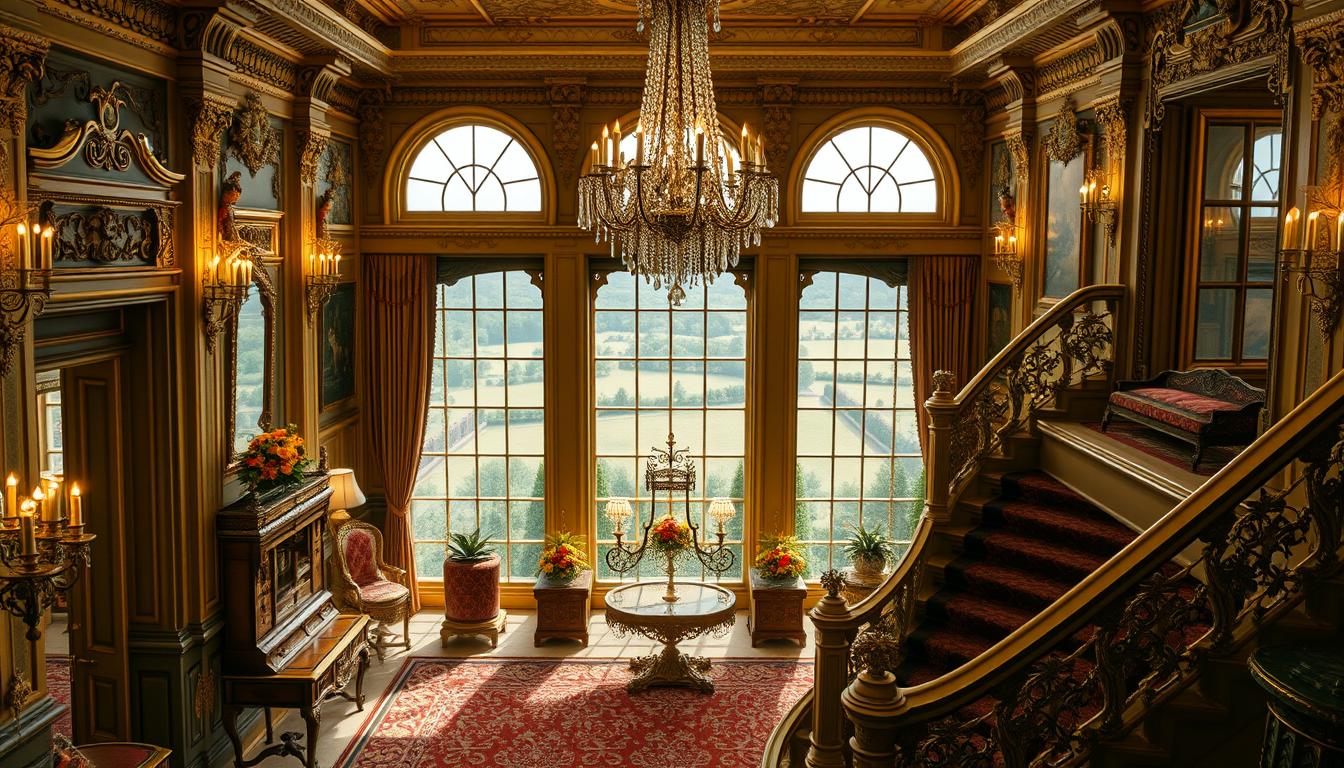
Agnes van Rhijn’s brownstone mirrors real 1870s mansions like the Roosevelt House. Her disdain for Bertha Russell echoes historic feuds between old families and industrial newcomers. Fellowes invents Marion Brook as a bridge between these worlds—a wide-eyed outsider navigating society’s traps.
Costumes play a starring role. Bertha’s Worth gowns, historically accurate to the last stitch, cost $4,000 in modern terms. Every ruffle and corset (300+ were handmade) screams status.
Historical Accuracy vs. Dramatic License
75% of sets were built from blueprints of Newport cottages and Troy’s Hart-Cluett Mansion. Yet Fellowes takes liberties—like Larry Russell’s romance, a fictional twist on architect Stanford White’s scandals.
Behind the scenes, historian Erica Armstrong Dunbar’s podcast dissects real events, like the Chamberlain scandal. Director Salli Richardson-Whitfield ensures Black narratives, like Peggy’s, resonate authentically.
“We weaponized tea parties to demand voting rights.”
From labor strikes to opera wars, seasons balance fact and fiction. The result? A show that educates as it entertains.
5. Behind the Scenes: The Cast and Crew of the Hit Series
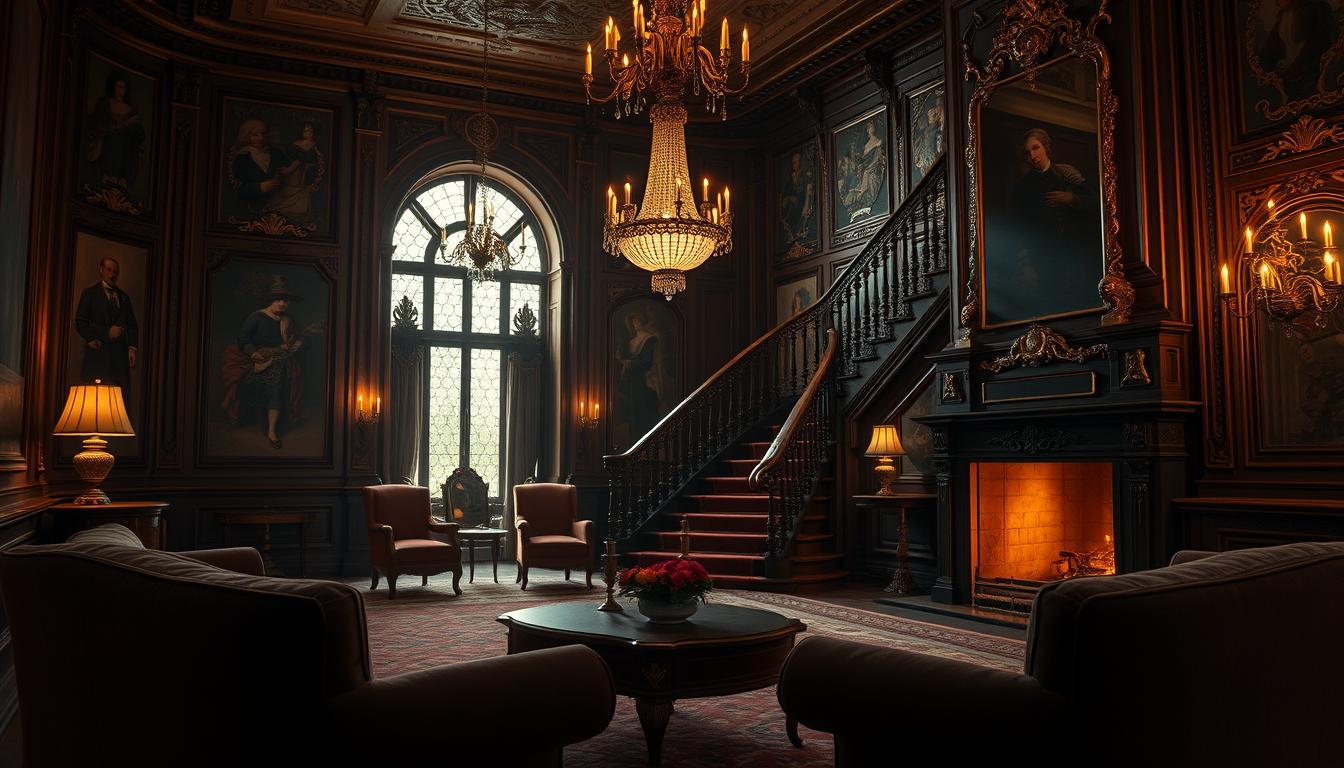
Step behind the velvet curtains of HBO’s hit drama to uncover its stellar cast crew and lavish production. Over 100 Broadway actors joined the ensemble, blending theatrical prowess with cinematic grandeur. From Agnes van Rhijn’s withering stares to Bertha Russell’s scheming smiles, every performance is a masterclass in nuance.
Meet the Russells and van Rhijns
Christine Baranski and Cynthia Nixon bring 30 years of offscreen friendship to their roles as the van Rhijn sisters. Baranski studied Mrs. Astor’s icy demeanor, while Nixon channeled repressed Victorian independence. Their clashes with Carrie Coon’s Bertha Russell—inspired by Alva Vanderbilt’s letters—are electric.
Morgan Spector trained with historians to embody George Russell’s cutthroat ambition. “He’s not just a robber baron; he’s a man rewriting society’s rules,” Spector noted. Meanwhile, Denée Benton (Peggy Scott) collaborated with scholar Tiya Miles to honor Black elites erased from history.
Executive Producer Julian Fellowes’ Vision
Fellowes demanded perfection: the van Rhijn household was recreated using blueprints from 1880s mansions. A 2:53 behind-the-scenes tour reveals hand-painted wallpaper and gaslight fixtures. Costume designer Kasia Walicka-Maimone spent $1M per episode, crafting 300+ corsets to mirror Worth gowns.
“Every teacup and cane had to scream 1882,” said set decorator Larry Brown. The 13:08 featurette showcases how the cast crew transformed Troy’s Hart-Cluett Mansion into Agnes’ fortress. Even Michael Cerveris (Church) used his opera training for Season 2’s Met performances.
- Taissa Farmiga’s Gladys mirrors Consuelo Vanderbilt’s gilded cage.
- Nine-month shoots ensured every cobblestone felt lived-in.
- Fellowes’ team scoured diaries to nail dialogue cadence.
6. Themes and Conflicts: How the Show Mirrors History
New York’s elite clashed over opera houses, marriages, and legacies—just as they do in the series. With a 94% Season 2 historical accuracy rating, HBO’s drama digs into real power struggles. From Mrs. Astor’s iron grip on society to Marian Brook’s fight for autonomy, every plotline echoes the past.
Bertha Russell’s Ambition and Mrs. Astor’s Resistance
The Opera War plot mirrors the 1883 Met opening, where Alva Vanderbilt dethroned Mrs. Astor. Bertha’s relentless rise mirrors real nouveau riche tactics—hosting lavish balls to buy influence. Episode 7’s electric light demonstration? A nod to Edison’s 1882 Pearl Street Station.
Meanwhile, George Russell’s railroad neglect parallels the 1889 Armour meatpacking fires. The show’s labor clashes reflect union battles that rocked the era.
Marian Brook’s Struggle for Independence
Marian must navigate strict courtship rules, contrasting Consuelo Vanderbilt’s forced marriage. Her subplot highlights how women fought Victorian constraints. Ada’s inheritance battle also mirrors the 1848 Married Women’s Property Act.
Key historical nods:
- Peggy’s Tuskegee storyline mirrors Booker T. Washington’s rise.
- Jack’s patent battle reflects 1880s inventor protections.
- Black elite ball scenes were vetted by historians.
7. Conclusion: Why The Gilded Age Still Matters Today
History repeats itself—especially when it comes to wealth gaps and labor rights. The 2023 SAG-AFTRA strike mirrors union struggles depicted in the drama, proving workers still fight for fair treatment. Meanwhile, today’s top 1% holds wealth ratios last seen in the 1890s.
Bertha Russell’s PR tactics foreshadow modern crisis management. Her battles with society elites feel eerily familiar in our influencer-driven world. Peggy Scott’s journalism legacy also echoes today’s #MeToo accountability movements.
From Vanderbilt mansions to tech billionaires’ estates, excess defines both eras. Climate debates now mirror 19th-century pollution fights. Even disability rights trace back to portrayals like Mrs. Bauer’s storyline.
With Season 4 likely exploring the 1893 financial panic, parallels to modern recessions will deepen. This period isn’t just history—it’s a blueprint for understanding today’s challenges.
FAQ
What defined the Gilded Age in U.S. history?
Who were the key figures during this period?
How accurate is Julian Fellowes’ portrayal of the Gilded Age?
What role did labor unions play?
How does the series depict old money vs. new money?
Who stars in the HBO series?
What themes connect the show to modern times?
